
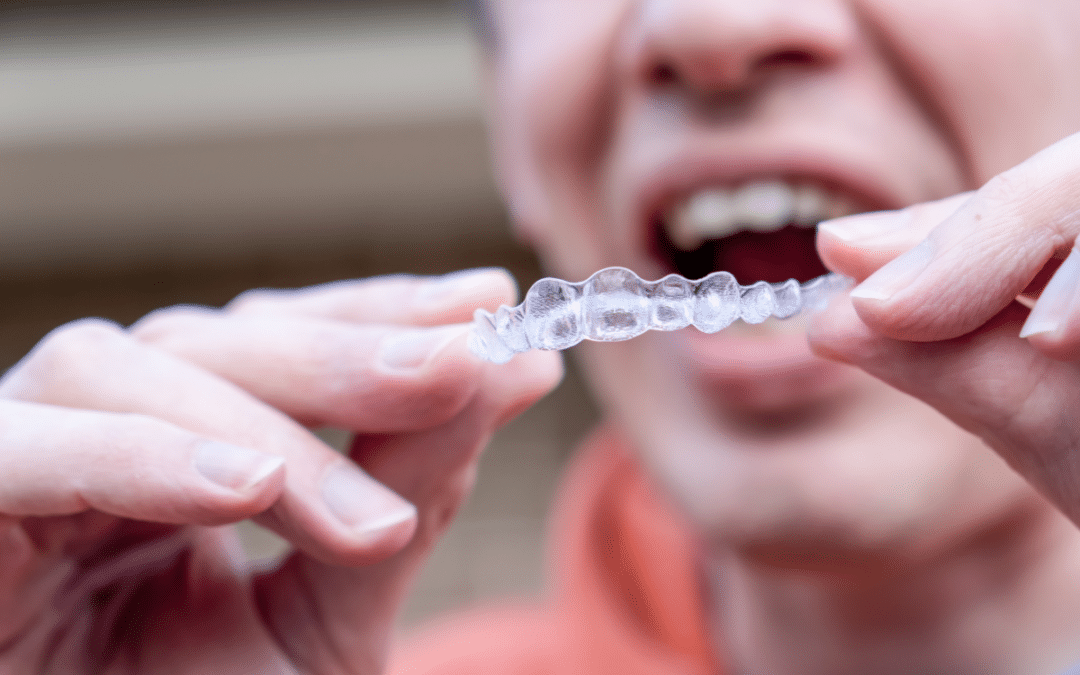
You may want a straighter smile, but there is one concern that can make you hesitate: What if you have gum disease? Is clear aligner treatment still possible, or could moving your teeth make the problem worse?
The answer is not simply yes or no.
If you’re considering Invisalign treatment in Imperial, your gum health is an important part of the evaluation. Clear aligners can be an effective orthodontic option for many patients, but healthy gums and good oral hygiene are essential before and during treatment.
The good news is that having gum disease does not automatically mean you can never have Invisalign. In many cases, the first step is getting the gums healthy enough for orthodontic treatment.
Why Gum Health Matters Before Straightening Your Teeth
Orthodontic treatment moves teeth through the supporting tissues of the mouth. Your gums and the bone surrounding your teeth play an important role in keeping those teeth stable.
Active gum disease can cause inflammation and, in more advanced cases, damage to the tissues and bone supporting the teeth.
At the same time, wearing clear aligners creates an enclosed space around the teeth. If plaque and bacteria are allowed to build up, inflammation can become more difficult to control.
That’s why a dental provider needs to consider your periodontal health before beginning treatment.
The goal isn’t just to create straighter teeth. It’s to improve your smile while protecting the health of the teeth and supporting tissues.
Can You Have Invisalign If You Have Gum Disease?
Possibly—but the condition of your gums matters.
If you have mild gum inflammation, sometimes called gingivitis, your dental team may recommend improving your oral hygiene and treating the inflammation before or alongside orthodontic care.
More advanced periodontal disease may require additional periodontal treatment before tooth movement is considered.
Your provider may evaluate:
- Gum redness or swelling
- Bleeding during brushing or flossing
- Gum recession
- Plaque and tartar buildup
- Pocket depths around the teeth
- Tooth mobility
- Bone levels
- Overall oral hygiene
The appropriate timing depends on what the examination shows.
In some cases, the safest approach is to stabilize gum health first and then begin orthodontic treatment once the supporting tissues are healthy enough.
What Happens If You Start Invisalign With Active Gum Disease?
This is where rushing into treatment can create unnecessary problems.
Active gum disease involves inflammation and, depending on its severity, may involve loss of supporting tissues around the teeth.
Moving teeth while periodontal disease is not adequately controlled may make maintaining healthy supporting tissues more difficult.
Potential concerns can include:
Increased Gum Inflammation
Plaque accumulation around aligners can contribute to gum irritation. If the gums are already inflamed, maintaining excellent oral hygiene becomes even more important.
Progression of Periodontal Problems
Untreated periodontal disease can affect the tissues and bone supporting teeth. Orthodontic treatment should be planned with the health of those structures in mind.
Gum Recession
Gum recession can have multiple causes. In some patients, orthodontic movement may need to be carefully planned when the gum tissue is already thin or compromised.
Tooth Mobility
Advanced periodontal disease can weaken the structures supporting teeth. Teeth that are already mobile require careful evaluation before orthodontic movement.
These risks do not mean Invisalign is unsafe for everyone with a history of gum disease. They highlight why an individualized dental and periodontal assessment matters.
Gingivitis vs. Periodontitis: What’s the Difference?
Understanding the type of gum problem you have is important.
Gingivitis
Gingivitis is inflammation of the gums. Common signs include redness, swelling, and bleeding when brushing or flossing.
It is generally considered an early form of gum disease and does not involve the same type of bone and attachment loss seen in periodontitis.
Improving oral hygiene and receiving professional dental care can often help control gingivitis.
Periodontitis
Periodontitis is a more advanced form of periodontal disease that can damage the tissues supporting the teeth.
Treatment may involve professional periodontal therapy and ongoing maintenance.
If periodontitis is present, orthodontic treatment may need to be delayed until the disease is controlled.
Your dentist can determine which situation applies to you through an examination and appropriate diagnostic testing.
How Do You Prepare for Invisalign With a History of Gum Disease?
If you’ve previously had gum disease, you don’t necessarily have to give up on your orthodontic goals.
Instead, think about treatment as a two-part process: healthy foundation first, tooth movement second.
1. Get a Comprehensive Dental Evaluation
Your provider should assess your teeth and gums before starting treatment.
This helps identify problems that may need attention first.
2. Complete Recommended Gum Treatment
If you have active periodontal disease, your dental team may recommend professional cleaning, periodontal treatment, or another appropriate approach before orthodontic treatment.
3. Establish a Strong Home-Care Routine
Brushing twice daily and cleaning between your teeth are essential.
When you’re wearing clear aligners, cleaning becomes especially important because the trays are in close contact with your teeth for much of the day.
4. Follow Your Aligner-Care Instructions
Your aligners should be cleaned according to your provider’s instructions.
Avoid putting dirty aligners over freshly cleaned teeth, and remove them as directed when eating or drinking.
5. Keep Your Follow-Up Appointments
Regular visits allow your dental team to monitor both tooth movement and oral health.
If gum inflammation, bleeding, or another concern develops, addressing it early is much easier than allowing the problem to progress.
Can Invisalign Actually Help Make Oral Hygiene Easier?
For some patients, straighter teeth can make certain areas easier to clean.
Crowded or overlapping teeth can create spaces where plaque collects. Improving alignment may make brushing and interdental cleaning more manageable.
However, Invisalign itself does not treat gum disease.
Clear aligners move teeth. They are not a substitute for periodontal treatment, professional cleanings, or daily oral hygiene.
That’s an important distinction when considering treatment.
What Should You Do If Your Gums Bleed During Invisalign?
Don’t automatically assume that bleeding is normal.
Bleeding gums can be a sign of inflammation and should be discussed with your dental provider, especially if it continues.
Other symptoms worth reporting include:
- Persistent gum swelling
- Gum tenderness
- Bad breath that does not improve
- Gum recession
- Pus around the gums
- Loose teeth
- Increasing sensitivity
Your provider can determine whether the symptoms are related to plaque buildup, gingivitis, periodontal disease, aligner fit, or another dental issue.
How to Keep Your Gums Healthy During Invisalign
Once you’ve been cleared for treatment, your daily habits become an important part of the process.
Brush Before Putting Aligners Back In
Whenever possible, clean your teeth after eating before replacing your aligners.
Clean Between Your Teeth
Floss or use another interdental cleaning method recommended by your dental provider.
Keep Your Aligners Clean
Follow the manufacturer’s and your dental provider’s cleaning instructions.
Don’t Eat With Your Aligners Unless Instructed
Food trapped beneath an aligner can increase exposure to plaque and bacteria.
Stay Consistent With Dental Visits
Routine dental examinations and cleanings remain important during orthodontic treatment.
Pay Attention to Changes
If your gums begin bleeding more frequently or become swollen, contact your dental team instead of ignoring the symptoms.
When Should You Wait Before Starting Invisalign?
Your provider may recommend delaying clear aligner treatment if you have an active oral health problem that needs attention first.
Examples can include:
- Active periodontal disease
- Significant gum inflammation
- Untreated tooth decay
- Dental infections
- Poorly controlled oral hygiene
- Other conditions affecting treatment safety
This isn’t necessarily a permanent “no.”
It may simply mean not yet.
Treating the underlying issue first can create a healthier foundation for orthodontic care.
Personalized Invisalign Care in Imperial
If you’re researching Invisalign in Imperial, your consultation should involve more than looking at whether your teeth are crooked.
Precision Dental Care and Sleep Solutions provides Invisalign and Invisalign Teen as part of its orthodontic services. The practice also provides comprehensive dental care, making evaluation of your overall oral health an important part of treatment planning.
A personalized assessment can help determine whether your gums, teeth, bite, and overall oral health are ready for clear aligner treatment.
That approach is especially important if you’ve experienced gum disease in the past or currently notice bleeding, swelling, recession, or other changes in your gums.
Ready to Find Out If Invisalign Is Right for You?
You don’t have to choose between a healthy mouth and a straighter smile.
If you have gum disease—or you’re simply unsure about the health of your gums—the best next step is a professional evaluation before beginning orthodontic treatment.
If you’re considering Invisalign treatment in Imperial, schedule a consultation with Precision Dental Care and Sleep Solutions. Your provider can assess your oral health, discuss your smile goals, and explain whether your gums are ready for clear aligner treatment or need attention first.
Starting with healthy gums can help put your orthodontic journey on a stronger foundation.
Frequently Asked Questions
Can you get Invisalign if you have gum disease?
Possibly. Patients with active gum disease may need periodontal treatment before starting Invisalign. The decision depends on the severity of the condition and the health of the supporting tissues.
Should gum disease be treated before Invisalign?
In many cases, active periodontal disease should be controlled before orthodontic tooth movement begins. Your dentist can determine the appropriate sequence after evaluating your gums and supporting bone.
Can Invisalign make gum disease worse?
Clear aligners do not directly cause periodontal disease, but poor oral hygiene while wearing them can contribute to plaque buildup and gum inflammation. Patients with existing gum problems need to be particularly consistent with oral hygiene.
Can I use Invisalign if I have gingivitis?
Some patients with gingivitis may be able to proceed after improving their gum health. Your provider may recommend addressing the inflammation and establishing good oral hygiene before or during orthodontic treatment.
What happens if my gums bleed while wearing Invisalign?
Bleeding gums can indicate inflammation and should not be ignored if it persists. Contact your dental provider so the cause can be evaluated and treated appropriately.
Does Invisalign help with gum disease?
No. Invisalign is designed to move teeth and correct certain alignment and bite concerns. It does not treat periodontal disease. Gum disease requires appropriate dental or periodontal care.
How can I keep my gums healthy during Invisalign?
Brush twice daily, clean between your teeth every day, clean your aligners as instructed, remove them when eating as directed, and maintain regular dental examinations and professional cleanings.
Can I get Invisalign after periodontal treatment?
Yes, some patients can receive Invisalign after periodontal disease has been treated and controlled. Your dental provider will evaluate the stability of your gums and supporting tissues before recommending orthodontic treatment.
A Healthy Foundation Comes First
A straighter smile is an exciting goal, but healthy gums should be part of the plan from the beginning.
If gum disease is present, treating and stabilizing it first may help create a safer environment for orthodontic tooth movement. If your gums are already healthy, maintaining that health throughout Invisalign treatment can help protect your teeth and support your long-term results.
If you’re considering Invisalign treatment in Imperial, don’t guess whether your gums are ready. Schedule a consultation with Precision Dental Care and Sleep Solutions to discuss your oral health and orthodontic goals.
Medical Disclaimer – This article is for general educational purposes only and does not replace an examination, diagnosis, or individualized treatment plan from a dental professional. The suitability and timing of Invisalign treatment vary by patient. Gum disease can range from mild inflammation to advanced periodontal disease, and treatment recommendations depend on your specific oral health, supporting tissues, and overall medical history.