
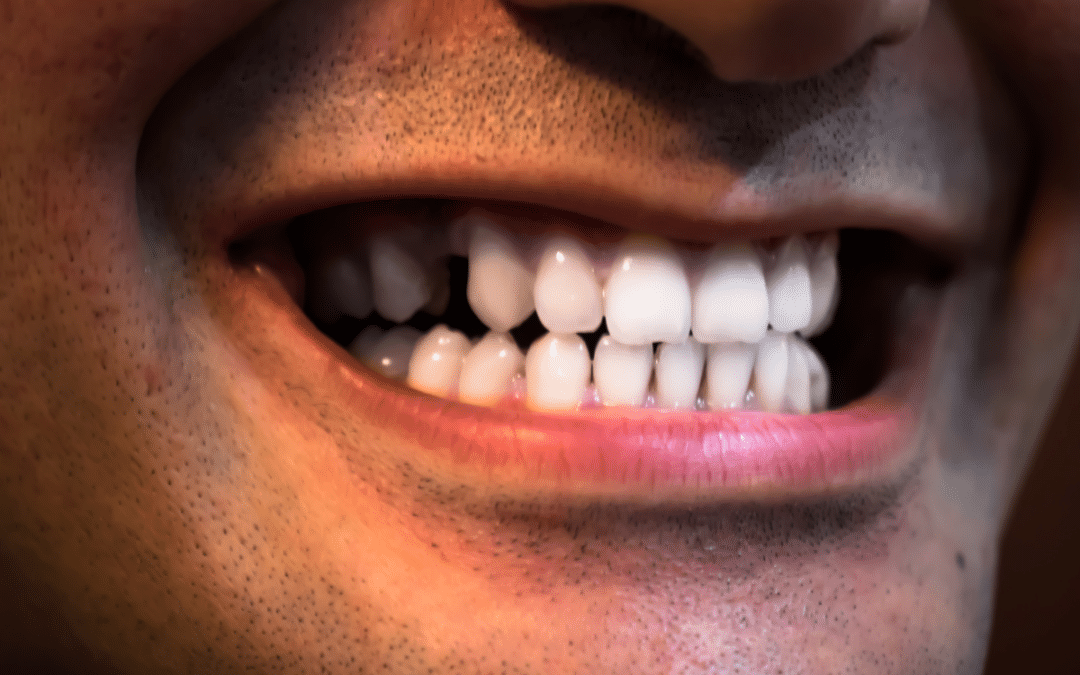
Losing a tooth can feel like something you can simply live with—especially if it doesn’t hurt anymore. You may think, “It’s only one tooth,” or decide to wait until replacing it becomes more convenient.
But a missing tooth can affect more than your smile.
Over time, the gap may influence how you chew, how neighboring teeth sit, and the condition of the bone that once supported the tooth. If you’ve recently lost a tooth or have been living with a gap for years, talking with an implant dentist in Imperial can help you understand whether replacement is appropriate and which option may fit your needs.
The sooner you understand what’s happening beneath the surface, the more informed your next decision can be.
Why Replacing a Missing Tooth Matters
A natural tooth does more than fill space in your smile.
It helps you chew food, supports the surrounding teeth, and transfers normal biting forces to the jawbone. When a tooth disappears, those functions can change.
That doesn’t mean every missing tooth must immediately be replaced with a dental implant. Your age, oral health, location of the missing tooth, bite, bone condition, medical history, and personal goals all matter.
However, leaving a gap without understanding the potential consequences may allow additional changes to develop.
1. Nearby Teeth May Shift
Teeth are not completely stationary.
When a neighboring tooth loses the support of an adjacent tooth, it may gradually move or tilt toward the open space. The opposing tooth may also change position because it no longer contacts a tooth in the same way.
These changes can alter how your teeth come together when you bite.
A tooth that was once properly positioned may eventually become harder to clean or may contribute to changes in your bite.
2. Your Chewing Pattern Can Change
One missing tooth may not seem like a major problem when you have plenty of other teeth.
But if you naturally avoid chewing on the affected side, you may begin relying more heavily on other teeth.
That can make eating certain foods less comfortable and may place additional demands on the remaining teeth.
If multiple teeth are missing, the effect on chewing function can become more noticeable.
3. Jawbone Volume May Decrease
One of the most important changes after tooth loss happens below the gum line.
Natural tooth roots stimulate the surrounding jawbone during normal chewing. After a tooth is removed, that stimulation is reduced, and the bone in the area can gradually resorb.
The amount and rate of bone change vary from person to person.
This matters because adequate bone volume is one of the factors evaluated when planning dental implants.
If significant bone loss occurs, additional procedures such as bone grafting may sometimes be considered before implant placement.
4. Your Smile May Change
A missing tooth can obviously affect the appearance of your smile, particularly when the gap is visible.
But changes may continue beyond the initial space.
Shifting neighboring teeth, changes in gum contours, and bone loss can alter the appearance of the area over time.
For some people, the cosmetic impact becomes a major reason to explore tooth replacement.
5. Cleaning Can Become More Difficult
A gap can create spaces where food particles collect.
If neighboring teeth begin shifting, new areas may become difficult to reach with a toothbrush or floss.
That doesn’t mean a missing tooth automatically causes cavities or gum disease. Rather, changes in tooth position and cleaning access can make daily oral hygiene more challenging.
Maintaining excellent hygiene becomes especially important when you’re missing a tooth and considering future restorative treatment.
What Happens If You Leave a Missing Tooth Untreated?
There is no universal timeline for what happens after tooth loss.
Some people live with a missing tooth for years without major symptoms. Others experience noticeable shifting, chewing changes, or bone loss sooner.
The key issue is that absence of pain doesn’t necessarily mean absence of consequences.
Potential long-term concerns can include:
- Movement of adjacent teeth
- Changes in the bite
- Reduced chewing efficiency
- Progressive bone loss at the missing-tooth site
- Difficulty cleaning around shifted teeth
- Changes in smile appearance
- Greater complexity when replacement is eventually considered
This is why an evaluation can be useful even if the missing tooth isn’t currently bothering you.
Does Every Missing Tooth Need to Be Replaced?
No.
The right decision depends on your individual situation.
For example, replacing a visible front tooth may have a strong cosmetic and functional benefit. Replacing a back tooth may be more focused on chewing function and maintaining a balanced bite.
In some cases, your dentist may recommend monitoring the area rather than replacing the tooth immediately.
Other patients may benefit from a fixed bridge, partial denture, or implant-supported restoration.
A professional evaluation allows you to compare the benefits and limitations of each approach rather than assuming one treatment is right for everyone.
Dental Implants: One Option for Replacing a Missing Tooth
Dental implants are designed to replace the root portion of a missing tooth and support a replacement restoration. The implant is surgically placed into the jawbone. After the appropriate healing period, it can support a dental crown designed to replace the visible portion of the tooth. Precision Dental Care and Sleep Solutions describes implants as a solution involving a surgically placed anchor for a replacement tooth. The practice also provides implant-supported dentures for patients who need a broader tooth-replacement solution.
An implant may offer several functional benefits:
- A stable foundation for a replacement tooth
- Restoration of chewing function
- A fixed alternative to some removable appliances
- Support for a natural-looking restoration
- Stimulation of the surrounding bone through the implant
However, implants are not appropriate for every patient.
What Determines Whether You Can Get an Implant?
Before recommending an implant, your dentist needs to evaluate more than the empty space.
Important considerations can include:
Bone Volume
Adequate bone is needed to provide support around the implant. If bone has been lost, bone grafting may sometimes be recommended.
Gum Health
Healthy gums are important for maintaining the tissues around an implant.
Overall Oral Health
Active decay, infection, or untreated periodontal disease may need to be addressed before implant treatment.
Bite and Tooth Position
Your dentist needs to understand how your upper and lower teeth come together and whether neighboring teeth have shifted.
Medical History
Certain health conditions, medications, and lifestyle factors can influence surgical treatment and healing.
Your Treatment Goals
A replacement should make sense for your daily life, expectations, and long-term oral health—not simply fill an empty space.
What Happens During a Dental Implant Evaluation?
An implant consultation usually begins with a comprehensive assessment.
Your provider may:
- Review your dental and medical history.
- Examine your teeth and gums.
- Evaluate the missing-tooth area.
- Assess your bite and neighboring teeth.
- Take dental X-rays or other appropriate imaging.
- Evaluate available bone.
- Discuss replacement options.
- Explain the expected treatment sequence and healing process.
Precision Dental Care and Sleep Solutions’ existing implant guidance describes an initial examination with X-rays and, when appropriate, additional imaging such as a CT scan to help determine treatment planning.
The purpose is not simply to determine whether an implant can be placed. It is to determine whether an implant is the appropriate solution for your particular situation.
What If You’ve Had the Missing Tooth for Years?
Don’t assume you’ve waited too long.
People seek tooth replacement at many different stages after tooth loss.
If the tooth has been missing for an extended period, your provider can evaluate whether enough bone remains for implant placement. If additional bone is needed, grafting may be considered as part of the treatment plan.
Precision Dental Care and Sleep Solutions notes that implant timing can depend on factors such as bone condition, infection, and healing response.
The important step is getting an evaluation rather than trying to predict your eligibility based solely on how long the tooth has been missing.
Why Replacing a Tooth Is About More Than Appearance
It’s easy to think of tooth replacement as a cosmetic decision. But the bigger picture includes function. A replacement tooth can help restore the ability to chew comfortably, maintain a more complete dental arch, and provide a stable restoration where a tooth has been lost. At the same time, replacement treatment should always be based on an individualized assessment. No restoration can exactly recreate every characteristic of a natural tooth.
Your dentist can explain what a replacement can realistically accomplish and which option best fits your needs.
Personalized Tooth Replacement Care
If you’re considering dental implants after tooth loss, look for a practice that evaluates the entire mouth rather than focusing only on the missing tooth.
Precision Dental Care and Sleep Solutions provides dental implants as well as crowns, bridges, dentures, and implant-supported dentures. The practice’s broader general dentistry services also allow underlying oral-health concerns to be considered as part of treatment planning.
For patients who are nervous about dental treatment, the practice also emphasizes comfort and anxiety-conscious care as part of its overall approach.
Don’t Wait Until the Gap Becomes a Bigger Problem
A missing tooth may not hurt, but that doesn’t mean you should ignore it indefinitely. If you’ve lost a tooth, an evaluation can help you understand whether leaving the space alone is reasonable or whether replacement could protect your oral function and long-term dental health.
If you’re looking for an implant dentist in Imperial, schedule a consultation with Precision Dental Care and Sleep Solutions. Your dentist can evaluate the missing-tooth area, discuss Dental Implants and other replacement options, and explain what your individual treatment process may involve.
You don’t have to decide on treatment during your first conversation. Start by finding out what’s happening—and what options you have.
Frequently Asked Questions
What happens if you don’t replace a missing tooth?
A missing tooth can lead to shifting of nearby teeth, changes in chewing, bite changes, and gradual bone loss in the area. The effects vary depending on the location of the missing tooth and your overall oral health.
How long can you leave a missing tooth untreated?
There is no universal safe time period. Some people live with missing teeth for years, but changes to the surrounding teeth and bone can occur during that time. A dental evaluation can help you understand your individual situation.
Can a missing tooth cause other teeth to move?
Yes. Neighboring teeth can gradually shift or tilt into the open space, and the opposing tooth may also change position. These changes can affect bite and cleaning.
Does a missing tooth cause bone loss?
Bone in the area of a missing tooth can gradually resorb because the natural tooth root is no longer providing stimulation. The amount of bone loss varies from patient to patient.
Are dental implants the best way to replace a missing tooth?
Dental implants are one option, but they are not automatically the best choice for every patient. Bridges, partial dentures, and other restorations may be appropriate depending on your oral health, bone condition, preferences, and treatment goals.
Can you get a dental implant years after losing a tooth?
Yes, many patients can receive implants after a tooth has been missing for an extended period. However, bone loss may affect implant planning, and some patients may need additional treatment such as bone grafting.
How do I know if I have enough bone for a dental implant?
Your dentist can evaluate the area using a clinical examination and dental imaging. The amount and quality of available bone are important factors when planning implant placement.
Is replacing a missing tooth only about appearance?
No. Tooth replacement can also address chewing function, tooth stability, bite relationships, and the condition of the surrounding dental structures. The appropriate goal depends on the patient’s individual needs.
Your Missing Tooth Deserves a Plan
Living with a missing tooth may feel easier than dealing with replacement, especially when there is no pain. But waiting without understanding the potential consequences can allow the surrounding teeth, bone, and bite to change. You don’t need to commit to an implant simply because you’ve lost a tooth. You do need enough information to make an informed decision.
If you’re ready to explore your options, schedule an appointment with Precision Dental Care and Sleep Solutions for an individualized evaluation. Whether Dental Implants, a bridge, a denture, or monitoring is appropriate, understanding your choices is the first step toward protecting your smile and oral function.
Medical Disclaimer – This article is intended for general educational purposes and does not replace a professional dental examination, diagnosis, or individualized treatment plan. The consequences of tooth loss and the appropriate replacement option vary from patient to patient. Dental implant candidacy depends on factors including oral health, bone volume, gum health, medical history, and treatment goals. Always consult a dental professional before making treatment decisions.