
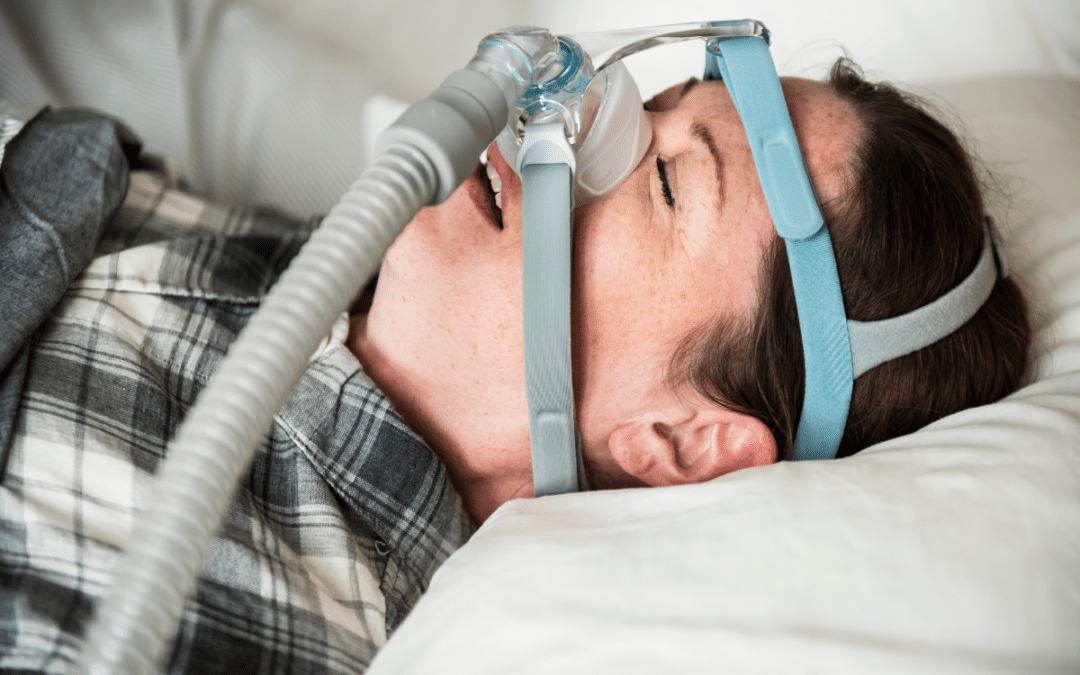
You wake up tired even after spending eight hours in bed. Your partner complains about loud snoring. You struggle to stay focused during the day, reach for another cup of coffee, or feel unusually irritable.
It is easy to blame these symptoms on stress, a busy schedule, or simply not getting enough sleep.
But what if your body is repeatedly struggling to breathe while you’re asleep?
Obstructive sleep apnea is more than loud snoring. During an apnea event, the upper airway becomes partially or completely blocked, reducing airflow while you continue trying to breathe. These interruptions can happen repeatedly throughout the night, fragmenting sleep and causing intermittent drops in blood oxygen.
If you’re considering sleep apnea treatment in Imperial, understanding why untreated sleep apnea deserves attention can help you recognize when it’s time to stop dismissing poor sleep as “normal.”
What Happens When Sleep Apnea Goes Uncontrolled?
Sleep is supposed to give your body and brain time to recover.
With untreated obstructive sleep apnea, that recovery process can be disrupted over and over again.
When the airway closes, your brain can briefly arouse you to restore normal breathing. These arousals may be so short that you don’t remember them the next morning.
The result can be a cycle of:
Airway obstruction → reduced airflow → oxygen drop → brief arousal → airway reopening → repeat
This may occur dozens or even hundreds of times during a night in some people.
You may technically spend enough hours in bed but still wake feeling exhausted.
That distinction matters.
Why Poor Sleep Is Not the Only Concern
One of the biggest misconceptions about sleep apnea is that the primary problem is daytime tiredness.
Fatigue is certainly important, but uncontrolled sleep apnea can affect much more than your energy level.
The repeated breathing interruptions and physiological stress associated with obstructive sleep apnea have been linked with cardiovascular and metabolic concerns. The American Academy of Sleep Medicine recognizes untreated OSA as a chronic disorder with potentially important health consequences, particularly as disease severity increases.
That is why sleep apnea should be treated as a health condition—not simply an annoying nighttime habit.
1. Constant Fatigue Can Affect Everyday Life
One of the most noticeable effects of sleep apnea can be excessive daytime sleepiness.
You may find yourself struggling to:
- Stay alert during meetings.
- Concentrate on detailed tasks.
- Maintain energy throughout the afternoon.
- Feel refreshed after waking.
- Stay focused while reading or watching television.
- Enjoy normal daily activities.
Poor-quality sleep can also affect mood and cognitive performance.
If you’re constantly exhausted, productivity and quality of life can gradually suffer.
2. Your Cardiovascular System May Be Under Repeated Stress
During obstructive sleep apnea events, breathing is interrupted, and oxygen levels can fall. The body responds by activating mechanisms that help restore breathing and alertness.
Repeated episodes can place physiological stress on the cardiovascular system.
OSA is associated with an increased risk of cardiovascular conditions, particularly when the condition is more severe or remains untreated.
This doesn’t mean everyone with sleep apnea will develop heart disease.
It does mean a diagnosed sleep-breathing disorder deserves appropriate medical attention rather than being ignored.
3. Blood Pressure Can Be Affected
Sleep apnea and high blood pressure frequently occur together.
Repeated nighttime breathing interruptions can trigger changes in the nervous and cardiovascular systems. Over time, these repeated responses may contribute to elevated blood pressure.
If you already have hypertension and also experience loud snoring, witnessed breathing pauses, morning headaches, or excessive daytime sleepiness, discussing possible sleep apnea with a healthcare professional may be worthwhile.
4. Your Brain May Not Be Getting Restful Sleep
Your brain needs consistent, restorative sleep for normal attention, memory, and daytime functioning.
When sleep is repeatedly interrupted, you may experience:
- Brain fog
- Difficulty concentrating
- Slower thinking
- Memory problems
- Reduced alertness
- Daytime sleepiness
The problem isn’t necessarily that you’re spending too little time in bed.
You may be spending enough time in bed but not getting the restorative sleep your body needs.
5. Metabolic Health Can Also Be Part of the Picture
Sleep apnea is associated with metabolic health concerns, including obesity and diabetes. The National Heart, Lung, and Blood Institute notes that untreated sleep apnea can contribute to changes in energy metabolism that increase the risk of obesity and diabetes.
This is one reason sleep apnea care should be viewed as part of broader health management.
Treatment isn’t simply about making snoring quieter.
It is about addressing a disorder that can affect multiple aspects of health.
6. Daytime Sleepiness Can Become a Safety Issue
Severe daytime sleepiness is more than an inconvenience.
If you’re struggling to remain alert while driving, operating equipment, or performing tasks that require sustained attention, the situation deserves immediate attention.
Sleep apnea can cause significant daytime sleepiness, and people may not always realize how impaired their alertness has become.
If you find yourself fighting sleep during activities that require you to stay awake, talk with a healthcare professional promptly and avoid driving when you are too sleepy to do so safely.
The Signs You Shouldn’t Ignore
Sleep apnea doesn’t always look the way people expect.
You don’t have to be aware of your breathing stopping at night. In fact, many people don’t know it is happening until someone else notices.
Common warning signs can include:
- Loud, persistent snoring
- Witnessed pauses in breathing
- Gasping, choking, or snorting during sleep
- Morning headaches
- Dry mouth upon waking
- Daytime fatigue
- Excessive sleepiness
- Difficulty concentrating
- Irritability or mood changes
- Waking frequently during the night
A bed partner may notice breathing pauses before you do.
That information can be extremely valuable when discussing symptoms with a healthcare provider.
What Should You Do If You Suspect Sleep Apnea?
Don’t try to diagnose yourself based on snoring alone.
Snoring can occur without sleep apnea, and not everyone with sleep apnea snores loudly.
A proper evaluation may involve reviewing your symptoms, medical history, risk factors, and sleep patterns. Sleep testing can then help determine whether sleep apnea is present and how severe it may be.
Precision Dental Care and Sleep Solutions offers sleep testing as part of its sleep-focused services. The practice specifically encourages patients experiencing symptoms such as snoring, low energy, brain fog, or irritability to consider whether obstructive sleep apnea could be contributing to those problems.
What Does Sleep Apnea Treatment Involve?
Treatment isn’t identical for every patient.
Your recommended approach depends on factors such as:
- Type of sleep apnea
- Severity
- Airway anatomy
- Symptoms
- Overall health
- Sleep-test results
- Treatment preferences
- Previous treatment experience
Depending on the diagnosis, treatment may involve positive airway pressure therapy, oral appliance therapy, lifestyle changes, or other medical approaches.
For appropriate patients, oral appliance therapy can be an important part of dental sleep medicine. A dentist trained in sleep-related care can evaluate whether this type of treatment may be appropriate as part of your overall sleep apnea management.
Importantly, dental sleep treatment should not replace appropriate medical diagnosis or follow-up.
Why a Comprehensive Evaluation Matters
Sleep apnea is a breathing disorder, so treating it requires more than simply addressing snoring.
A complete evaluation helps determine what is actually happening while you sleep.
Precision Dental Care and Sleep Solutions combines general dentistry with sleep-focused care and describes its practice as providing sleep solutions alongside comprehensive dental services. Its website also identifies sleep apnea treatment and sleep testing among its services.
This integrated approach can make it easier to discuss oral health, airway-related concerns, and potential treatment options in one setting when appropriate.
Don’t Let “I’m Just Tired” Become Your Diagnosis
Being tired all the time is easy to normalize.
So is snoring.
So is waking with a dry mouth, struggling with morning headaches, or needing caffeine just to feel functional.
But when several of these symptoms occur together, it is worth asking whether something deeper is happening.
If you are looking for sleep apnea treatment in Imperial, Precision Dental Care and Sleep Solutions can help you take the next step toward understanding your symptoms. A sleep evaluation can provide useful information about whether a sleep-related breathing disorder may be affecting your nights—and your days. Don’t wait for exhaustion to become your normal.
Frequently Asked Questions
What happens if sleep apnea is left untreated?
Untreated obstructive sleep apnea can cause repeated nighttime breathing interruptions, fragmented sleep, intermittent oxygen drops, and excessive daytime sleepiness. It is also associated with important cardiovascular and metabolic health concerns.
Can untreated sleep apnea cause high blood pressure?
Sleep apnea is associated with high blood pressure, and repeated nighttime breathing disturbances can place stress on the cardiovascular system. If you have hypertension and symptoms of sleep apnea, discuss them with your healthcare provider.
Is loud snoring always a sign of sleep apnea?
No. Snoring can occur without sleep apnea. However, loud habitual snoring combined with gasping, choking, witnessed breathing pauses, or daytime sleepiness may warrant an evaluation.
Can sleep apnea cause daytime fatigue?
Yes. Repeated breathing interruptions and sleep arousals can prevent restorative sleep and contribute to excessive daytime sleepiness and fatigue.
Can sleep apnea affect concentration and memory?
Poor-quality, fragmented sleep can contribute to difficulty concentrating, reduced alertness, and cognitive problems during the day. If these symptoms are persistent, a professional evaluation can help identify potential causes.
How is sleep apnea diagnosed?
Diagnosis generally requires a sleep evaluation and appropriate sleep testing. A sleep study can measure breathing events, oxygen levels, and other physiological changes during sleep.
Can a dentist treat sleep apnea?
Some dentists provide dental sleep medicine, including oral appliance therapy for appropriately selected patients. However, treatment should be based on a proper diagnosis and coordinated with appropriate medical or sleep-medicine care when necessary.
Is sleep apnea treatment worth pursuing if I only have mild symptoms?
Symptoms do not always reflect the full severity of a sleep disorder. If you suspect sleep apnea, getting evaluated can help determine whether a sleep-related breathing disorder is present and what treatment, if any, is appropriate.
Take the Next Step Toward Better Sleep
You shouldn’t have to guess why you’re exhausted every morning.
If persistent snoring, gasping, daytime sleepiness, brain fog, or witnessed breathing pauses are affecting your life, don’t dismiss them as simply getting older or being busy.
Getting evaluated is the first step toward understanding what is happening while you sleep.
If you’re searching for sleep apnea treatment in Imperial, contact Precision Dental Care and Sleep Solutions to discuss your symptoms and ask about sleep testing and available treatment options.
Better sleep starts with understanding the problem—and taking action before uncontrolled sleep apnea continues affecting your health and quality of life.
Medical Disclaimer – This article is for general educational purposes and does not replace medical or dental diagnosis, treatment, or individualized advice. Sleep apnea can have serious health consequences, and suspected or diagnosed sleep apnea should be evaluated by an appropriate healthcare professional. Treatment recommendations depend on the type and severity of the condition and the patient’s individual health needs. Seek urgent medical care for severe breathing difficulty, chest pain, fainting, or other emergency symptoms.