
Few things are more frustrating than worrying about your dentures while you’re trying to enjoy a meal, laugh with family, or speak confidently.
If your dentures move, feel loose, or make certain foods difficult to eat, you may wonder whether there is a more stable solution.
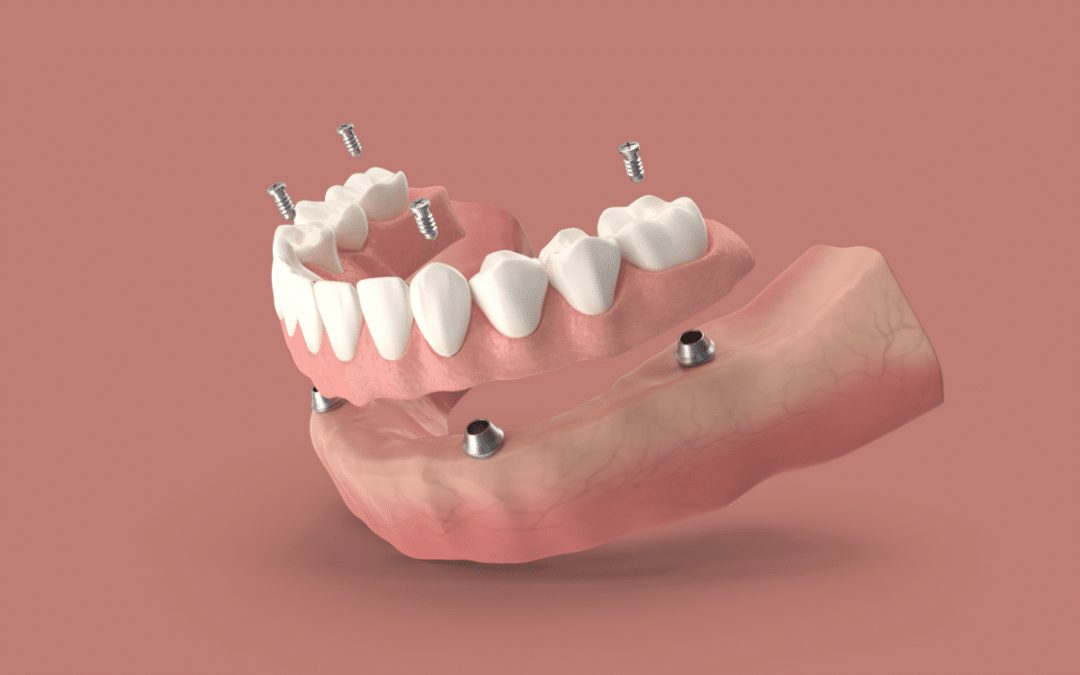
Implant-supported dentures in Imperial can provide an alternative to traditional removable dentures by using dental implants to help support and stabilize a denture. Instead of relying only on suction, adhesives, or the shape of the gums, the denture is connected to implants anchored in the jaw.
But what does the process actually involve?
Understanding each stage—from the first consultation to healing and long-term care—can make the decision feel much less overwhelming.
Why Traditional Dentures May Not Feel Stable Enough
Traditional dentures can restore the appearance of missing teeth and help with everyday function. However, they rest on the gums rather than being anchored directly into the jaw.
As the jawbone changes following tooth loss, the fit of a removable denture can also change.
You may notice:
- Dentures shifting while speaking.
- Difficulty chewing certain foods
- Sore spots or gum irritation
- Increased reliance on denture adhesive
- Feeling nervous about laughing or eating around others
- A denture that no longer fits as comfortably as it once did
These issues don’t mean traditional dentures are unsuitable for everyone.
But if stability is your biggest concern, implant-supported dentures may be worth discussing with your dental provider.
What Are Implant-Supported Dentures?
Implant-supported dentures combine two forms of tooth replacement: dental implants and a removable or fixed denture restoration, depending on the treatment design.
Dental implants are small posts placed into the jawbone. Once the implants have healed sufficiently and integrated with the surrounding bone, they can provide attachment points for a denture.
Instead of the restoration resting entirely on the gums, the implants provide additional support.
The exact design varies by patient. Some implant-supported dentures are removable for cleaning, while other implant-supported full-arch restorations are designed to remain fixed.
Your dentist can explain which approach fits your anatomy, oral health, and treatment goals.
The Step-by-Step Process
One of the biggest advantages of understanding the treatment timeline is knowing what happens next.
Although every case is different, the process generally follows several stages.
Step 1: Your Initial Consultation
Treatment begins with an evaluation—not implant placement.
Your dentist will review your dental and medical history and examine your mouth, gums, existing dentures, and jaw.
You may also receive dental X-rays or other imaging to evaluate the bone and anatomy.
The goal is to answer important questions:
- How much bone is available?
- Are the gums healthy?
- Are there infections or other dental problems?
- How many implants may be appropriate?
- What type of restoration would provide the desired support?
- Are additional procedures needed first?
Precision Dental Care and Sleep Solutions provides comprehensive dental care along with dental implants and implant-supported dentures, allowing tooth replacement to be considered as part of a broader oral-health evaluation.
Step 2: Treatment Planning
Once your evaluation is complete, your provider can develop a personalized treatment plan.
This may include decisions about:
- Implant location
- Number of implants
- Type of denture or restoration
- Existing teeth that may need treatment or removal
- Bone grafting, if indicated
- Temporary teeth or a temporary denture
- Expected healing time
- Long-term maintenance
Treatment planning is especially important because implant-supported dentures aren’t a one-size-fits-all procedure.
Step 3: Preparing Your Mouth
Before implants are placed, existing oral-health concerns may need to be addressed.
Depending on your situation, this could involve treating gum disease, addressing infection, removing damaged teeth, or preparing the bone.
If you have significant bone loss, your dentist may discuss whether bone grafting or another preparatory procedure is appropriate.
Not every patient needs additional procedures.
The purpose of this stage is to create the healthiest possible foundation for the planned restoration.
Step 4: Implant Placement
The next stage is placing the dental implants into the jawbone.
The implants act as anchors for the future restoration.
The number and position of implants depend on your individual treatment plan, the type of restoration being used, and your available bone.
Your dental team will explain what to expect before the procedure, including anesthesia or sedation options when appropriate.
Step 5: Healing and Implant Integration
After placement, the implants need time to heal.
During this period, the surrounding bone gradually integrates with the implant surface. This biological process, called osseointegration, is important for creating a stable foundation.
Healing time varies from patient to patient.
Factors such as bone quality, overall health, implant location, and whether additional procedures were performed can affect the timeline.
This stage requires patience.
An implant should not be treated as fully ready simply because the surgical site feels better.
Your dental provider will determine when the implants are ready for the next phase.
Step 6: Attaching the Denture
Once healing is adequate, your restoration can be connected to the implants according to your treatment plan.
The attachment system may allow the denture to snap securely into place while still being removable for cleaning.
In other cases, a fixed full-arch restoration may be considered.
The goal is to create a restoration that provides appropriate stability while allowing you to maintain good oral hygiene.
Step 7: Adjusting to Your New Smile
Even after the restoration is placed, there is an adjustment period.
You may need time to become comfortable with:
- Speaking
- Chewing
- Cleaning around the restoration
- The new shape and size of your teeth
- The sensation of having implants and a new prosthesis
Your dentist may make adjustments if needed.
Small changes can sometimes improve comfort and function as you adapt.
What Are the Potential Benefits?
For appropriately selected patients, implant-supported dentures may offer several advantages compared with conventional removable dentures.
Greater Stability
Implants can help keep the denture from moving as easily during everyday activities.
Improved Chewing Function
Greater stability may make it easier to chew a broader range of foods comfortably, although adaptation and individual limitations still matter.
Less Dependence on Adhesive
Because the restoration receives support from implants, some patients may have less need for traditional denture adhesive.
Support for Jawbone
Dental implants provide stimulation to the surrounding bone that conventional dentures do not provide in the same way.
However, implant placement does not stop every form of bone change, and outcomes vary between patients.
Increased Confidence
Knowing that your denture has additional support may make everyday activities such as speaking, smiling, and eating feel more comfortable.
What Are the Risks and Limitations?
Implant-supported dentures are a surgical and restorative treatment, so they aren’t risk-free.
Possible complications can include:
- Infection
- Implant failure
- Gum irritation
- Discomfort
- Difficulty cleaning around attachments
- Bone loss around implants
- Restoration wear or damage
- Need for adjustments or future replacement
Smoking, uncontrolled medical conditions, poor oral hygiene, and certain medications or health factors may affect healing or long-term implant outcomes.
This is why a thorough evaluation is essential before treatment.
Who May Be a Candidate?
You may be considered for implant-supported dentures if you have significant tooth loss and want greater denture stability.
However, candidacy depends on several factors, including:
- Jawbone volume and quality
- Gum health
- Overall health
- Oral hygiene
- Existing dental conditions
- Smoking or tobacco use
- Ability to maintain regular dental care
- Your treatment goals and expectations
Age alone does not determine whether someone can receive implants.
The important question is whether the treatment is appropriate for your individual health and circumstances.
How Long Does the Full Process Take?
There isn’t one timeline that applies to every patient.
Some cases can move relatively quickly, while others require additional procedures before implant placement or longer healing periods.
Your overall timeline may depend on:
- Whether teeth need to be extracted
- Whether bone grafting is necessary
- The number of implants
- Implant location
- Healing response
- Type of final restoration
- Any existing oral-health concerns
During your consultation, ask for a personalized timeline rather than relying on a general estimate found online.
Caring for Implant-Supported Dentures
Implant-supported dentures still require daily care.
Depending on the type of restoration, your routine may include:
- Cleaning the denture as instructed
- Brushing around implant-supported areas
- Cleaning beneath removable restorations
- Using specialized brushes or flossing tools when recommended
- Keeping regular dental appointments
- Reporting discomfort or changes in fit promptly
- Avoiding habits that could damage the restoration
Even when your artificial teeth cannot develop cavities, the surrounding gums, implants, and oral tissues still need care.
Regular professional maintenance is an important part of protecting your investment.
Why Localized, Comprehensive Care Matters
Choosing implant treatment isn’t simply about finding a provider who places implants.
You want your treatment to account for your complete oral health, the condition of your jawbone and gums, your bite, your restoration, and your long-term maintenance needs.
Precision Dental Care and Sleep Solutions offers dental implants and implant-supported dentures alongside general, restorative, and preventive dental services.
This broader approach allows your provider to consider both the immediate restoration and the health of the surrounding oral structures.
For patients in Imperial and nearby communities, having a dental team that can evaluate the entire mouth can make treatment planning more straightforward.
Ready to Explore Implant-Supported Dentures?
If your dentures move when you eat, feel uncomfortable, or make you hesitant to smile, you don’t have to simply accept those problems as part of losing your teeth.
An evaluation can help you understand whether implant-supported dentures are appropriate for you and what your treatment would involve.
If you’re considering implant-supported dentures in Imperial, schedule a consultation with Precision Dental Care and Sleep Solutions. Your dental team can evaluate your oral health, discuss your options, explain the treatment timeline, and help you understand what to expect before you commit to treatment.
A stable, functional smile starts with the right treatment plan—not with rushing into a procedure.
Frequently Asked Questions
Are implant-supported dentures better than regular dentures?
Implant-supported dentures can provide greater stability than conventional removable dentures for appropriately selected patients. However, they involve implant surgery and require sufficient bone, good oral-health management, and ongoing maintenance. The right option depends on your individual circumstances.
How many implants are needed for implant-supported dentures?
The number varies based on the type of restoration, jaw anatomy, available bone, and treatment plan. Your dentist can determine the appropriate number and placement after an examination and diagnostic imaging.
Are implant-supported dentures removable?
Some are. Certain implant-supported dentures attach to implants but can be removed by the patient for cleaning. Other full-arch implant restorations are designed to remain fixed. Your dentist can explain which design is appropriate for you.
How long does it take to get implant-supported dentures?
Treatment time varies significantly. Some patients need extractions, bone grafting, or other procedures before implants can be placed. Healing and implant integration also take time. Your dentist can provide a personalized timeline after evaluation.
Do implant-supported dentures feel more natural?
Many patients find implant-supported restorations more stable than traditional dentures. However, they are still artificial teeth, and there is usually an adjustment period as you become accustomed to the restoration.
Can you get implant-supported dentures if you have bone loss?
Possibly. Bone loss does not automatically rule out implant treatment. However, insufficient bone may require additional procedures, such as bone grafting, before implants can be placed safely and predictably.
How do you clean implant-supported dentures?
Cleaning depends on whether your restoration is removable or fixed. Your dental provider may recommend a combination of brushing, specialized flossing or cleaning tools, and professional maintenance. Follow the specific cleaning instructions provided for your restoration.
Do implant-supported dentures last forever?
No dental restoration should be expected to last forever without maintenance. Implants can function for many years when properly planned and maintained, but the denture or prosthetic components may eventually require repair, adjustment, or replacement.
Take the First Step Toward a More Stable Smile
Living with loose or uncomfortable dentures can affect much more than mealtime. It can change how you speak, laugh, eat, and interact with other people.
Implant-supported treatment may provide the additional stability you’re looking for, but the first step is determining whether it’s appropriate for your oral health.
Schedule a consultation with Precision Dental Care and Sleep Solutions to discuss implant-supported dentures and learn what your personalized treatment journey could look like.
You don’t have to guess whether implants are right for you. A professional evaluation can give you the information you need to make a confident, informed decision.
Medical Disclaimer – This article is intended for general educational purposes and does not replace a dental examination, diagnosis, or individualized treatment plan. Implant-supported dentures involve surgical and restorative procedures and may not be appropriate for every patient. Treatment outcomes vary based on oral health, bone condition, medical history, hygiene, lifestyle factors, and other individual circumstances. Consult a qualified dental professional before beginning treatment.