
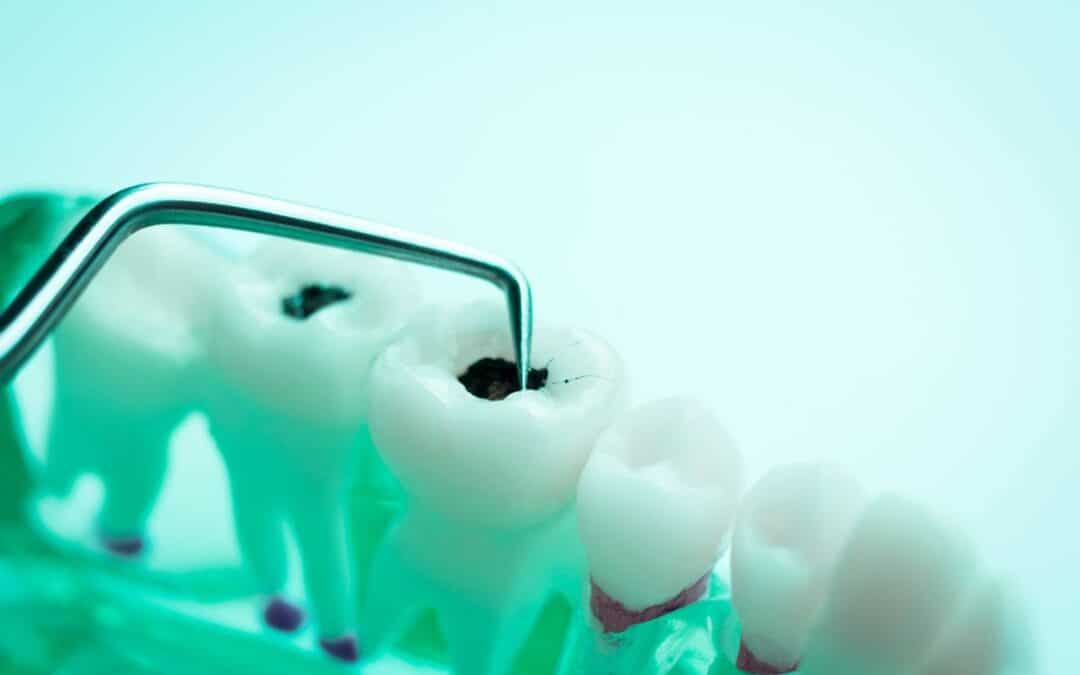
Cavities are a common dental issue many people face, and understanding their causes is crucial in preventing them. One of the factors that might contribute to frequent cavities is genetics. In this blog, we will explore the connection between genetics and cavities and provide insights into how you can manage your dental health effectively.
Understanding Cavities and Their Causes
Cavities, also known as dental caries, are permanently damaged areas in the hard surface of your teeth that develop into tiny openings or holes. They are caused by many factors, including bacteria in your mouth, frequent snacking, sipping sugary drinks, and not cleaning your teeth well. But how much of this is influenced by your genetics?
The Role of Bacteria in Dental Health
Our mouths are home to various types of bacteria, some of which are beneficial, while others can cause harm. Streptococcus mutans is one of the primary bacteria responsible for cavities. Genetic factors can influence the presence and activity of these bacteria.
Saliva Composition and Flow
Saliva plays a critical role in maintaining oral health by neutralizing acids produced by bacteria, washing away food particles, and providing disease-fighting substances. The composition and flow of saliva are largely determined by genetics. Individuals with lower saliva flow or altered saliva composition may be more prone to cavities.
Enamel Strength and Structure
The enamel, which is the outermost layer of the teeth, acts as a protective barrier. Its strength and structure are influenced by genetics. Weak or poorly formed enamel can make teeth more susceptible to decay.
Immune System Response
Your immune system’s ability to fight off infections, including those caused by harmful bacteria in the mouth, can also be genetically influenced. A weaker immune response can result in a higher risk of developing cavities.
Dietary Habits and Preferences
While dietary habits are primarily influenced by lifestyle choices, genetics can also play a role. Some people may have a genetic predisposition to crave sugary foods and drinks, which can increase the risk of cavities.
Genetics and Dental Health: What You Need to Know
Understanding the genetic factors that contribute to dental health can help in developing personalized strategies to prevent cavities. It’s important to remember that while genetics play a role, they are not the sole determinants of your dental health.
Genetic Testing for Dental Health
Genetic testing can provide insights into your susceptibility to cavities and other dental issues. These tests analyze specific genes related to enamel formation, saliva composition, and immune response. However, it’s essential to discuss the results with a dental professional to understand their implications fully.
Family History and Dental Health
Observing your family’s dental history can also provide clues about your genetic predisposition to cavities. If multiple family members have experienced frequent cavities, it may indicate a genetic component. Consulting with a family dentist in Imperial can help you understand these patterns and take preventive measures.
Personalized Dental Care
Based on your genetic profile and family history, your dentist can recommend personalized dental care routines. This may include specific oral hygiene practices, dietary recommendations, and preventive treatments to reduce the risk of cavities.
Preventive Measures and Treatments
Regardless of genetic predisposition, everyone can benefit from preventive dental care. Regular visits to a family dentist in Imperial are crucial for maintaining oral health. Your dentist can provide professional cleanings, fluoride treatments, and sealants to protect your teeth from cavities.
Importance of Oral Hygiene
Maintaining good oral hygiene is essential in preventing cavities. Brushing your teeth twice a day with fluoride toothpaste, flossing daily, and using mouthwash can help remove plaque and reduce the risk of cavities.
Role of Diet in Dental Health
A balanced diet is vital for maintaining healthy teeth. Limiting sugary snacks and drinks, eating a variety of nutritious foods, and staying hydrated can significantly impact your oral health. Your family dentist in Imperial can provide dietary recommendations tailored to your needs.
Practical Tips for Preventing Cavities
Preventing cavities involves a combination of good oral hygiene practices, dietary choices, and regular dental visits. Here are some practical tips to help you maintain a cavity-free smile:
Brushing and Flossing Techniques
Proper brushing and flossing techniques are fundamental in preventing cavities. Use a soft-bristled toothbrush and fluoride toothpaste, and brush your teeth for at least two minutes twice a day. Floss daily to remove plaque and food particles from between your teeth.
Choosing the Right Dental Products
Selecting the right dental products can make a significant difference in your oral health. Look for fluoride toothpaste, antimicrobial mouthwash, and dental floss that suits your needs. Your family dentist in Imperial can recommend products based on your specific dental health requirements.
Regular Dental Check-ups
Regular dental check-ups are essential for early detection and treatment of cavities. Schedule visits to your family dentist in Imperial every six months for professional cleanings and examinations. Early intervention can prevent minor issues from becoming major problems.
Fluoride Treatments and Sealants
Fluoride treatments and dental sealants are effective preventive measures against cavities. Fluoride strengthens tooth enamel, making it more resistant to decay. Sealants are thin coatings applied to the chewing surfaces of molars to protect them from cavities.
Healthy Eating Habits
Adopting healthy eating habits can significantly impact your dental health. Limit sugary and acidic foods and drinks, and include plenty of fruits, vegetables, whole grains, and dairy products in your diet. These foods provide essential nutrients for strong teeth and gums.
Staying Hydrated
Drinking plenty of water throughout the day helps wash away food particles and bacteria from your mouth. Water also dilutes acids produced by bacteria, reducing the risk of cavities.
Avoiding Tobacco and Alcohol
Tobacco and alcohol use can negatively impact your oral health. Avoiding these substances can reduce the risk of cavities and other dental issues. If you need assistance quitting, your family dentist in Imperial can provide resources and support.
Using Dental Supplements
Certain supplements can support dental health. Calcium and vitamin D are essential for strong teeth and bones. Consult with your dentist before adding any supplements to your routine to ensure they are appropriate for your needs.
While genetics can influence your susceptibility to cavities, they are not the sole factor. Understanding the genetic components and taking proactive measures can help you maintain optimal dental health. Regular visits to a family dentist in Imperial, combined with good oral hygiene practices and a healthy diet, are key to preventing cavities and ensuring a bright, healthy smile. Remember, taking care of your teeth is a lifelong commitment, and with the right approach, you can keep cavities at bay.