
Losing a tooth can be a difficult experience, but thanks to advancements in dental technology, solutions like dental implants can help restore your smile. If you had a tooth extracted years ago, you might wonder whether it’s still possible to get a dental implant now. The good news is that in many cases, dental implants are still a viable option, even years after a tooth extraction. This blog will delve into how the timing of a dental implant affects the process, factors to consider, and what to expect if you pursue this treatment.
Understanding Dental Implants
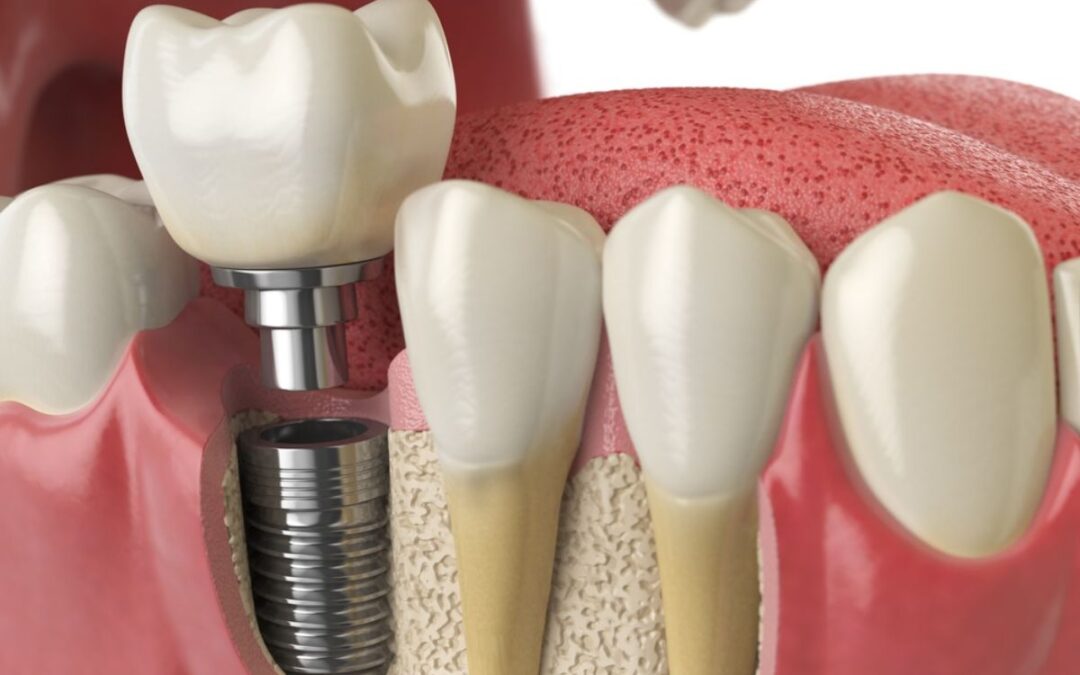
Dental implants are considered the gold standard for replacing missing teeth. They consist of three main components:
- The Implant Post: A titanium screw surgically inserted into the jawbone to act as a replacement root.
- The Abutment: A connector that links the implant post to the artificial tooth.
- The Crown: The visible, custom-designed tooth that sits on top of the abutment.
Because implants are integrated directly into the jawbone, they provide stability, durability, and a natural look and feel that closely mimics real teeth.
Why Timing Matters
After a tooth is extracted, the surrounding jawbone begins to shrink, or resorb, over time. This process, called bone resorption, happens because the bone no longer receives stimulation from the tooth root. Significant bone loss can complicate or delay the implant process, making it essential to evaluate your jawbone structure before proceeding with dental implants.
However, advancements in dental procedures have made it possible to overcome bone loss with techniques like bone grafting, allowing patients to receive implants even years after extraction.
Factors That Influence Late Dental Implants
Several factors determine whether you can successfully get a dental implant years after tooth extraction:
1. Bone Density
Bone density plays a crucial role in the success of dental implants. If too much bone has been lost in the years following your extraction, a bone graft may be required to rebuild the jawbone. Bone grafting involves adding natural or synthetic bone material to the site to create a stable foundation for the implant.
2. Oral Health
Your overall oral health, including the condition of your gums and surrounding teeth, is a significant factor. Gum disease or infections near the implant site can affect the procedure’s success, so treating any existing oral health issues is essential before moving forward.
3. General Health
Chronic health conditions like diabetes, osteoporosis, or immune disorders may influence healing and implant success. Your dentist or oral surgeon will evaluate your medical history to ensure you are a good candidate for dental implants.
4. Lifestyle Habits
Smoking and poor oral hygiene can impact the healing process and increase the risk of implant failure. Quitting smoking and maintaining good oral hygiene are critical steps for a successful outcome.
The Process of Getting a Dental Implant After Years
Getting a dental implant years after a tooth extraction typically involves the following steps:
1. Consultation and Evaluation
Your dentist will conduct a thorough evaluation, including X-rays or 3D imaging, to assess the jawbone’s condition and determine whether a bone graft is needed.
2. Bone Grafting (If Necessary)
If your jawbone is too thin or weak to support an implant, a bone graft will be performed. This step can add several months to the timeline, as the graft must heal and integrate with the existing bone.
3. Implant Placement
Once your jawbone is strong enough, the dentist surgically places the titanium implant into the bone. Over the next few months, a process called osseointegration occurs, during which the implant fuses with the jawbone to create a stable foundation.
4. Abutment and Crown Placement
After the implant has fully integrated, the abutment is attached to the implant post, followed by the placement of the custom-designed crown. This completes the process, restoring your smile and functionality.
Advantages of Dental Implants
Dental implants offer several benefits that make them worth considering, even if years have passed since your extraction:
- Long-Term Durability: Implants can last a lifetime with proper care.
- Improved Functionality: They restore full chewing and speaking ability.
- Natural Appearance: Custom crowns blend seamlessly with your natural teeth.
- Jawbone Preservation: Implants help prevent further bone loss by stimulating the jawbone.
- Boosted Confidence: They enhance your smile and overall appearance.
Challenges of Delayed Dental Implants
While it’s possible to get a dental implant years after extraction, there are some challenges to keep in mind:
- Bone Loss: Significant bone resorption may require additional procedures like bone grafting.
- Extended Timeline: Bone grafting and healing can add months to the overall process.
- Higher Costs: Additional procedures can increase the treatment cost.
However, the long-term benefits of dental implants often outweigh these challenges, making them a worthwhile investment.
Alternatives to Dental Implants
If you’re not a candidate for dental implants or prefer a different option, other tooth replacement methods include:
- Bridges: A dental bridge uses adjacent teeth to anchor the replacement tooth.
- Dentures: Partial or full dentures can replace multiple missing teeth.
While these options may not offer the same durability or jawbone preservation as implants, they can still restore function and aesthetics.
Tips for Maintaining Dental Implants
Once your dental implant is in place, proper care is essential to ensure its longevity. Here are some tips:
- Brush and floss daily to prevent plaque buildup.
- Visit your dentist regularly for cleanings and checkups.
- Avoid using your teeth to open packages or chew on hard objects like ice.
- Quit smoking, as it can interfere with healing and increase the risk of implant failure.
Conclusion
The answer to the question, “Can I get a dental implant years after tooth extraction?” is a resounding yes in most cases. While factors like bone density and overall health must be considered, dental advancements have made it possible for many patients to enjoy the benefits of dental implants, even after significant time has passed.
If you’re considering a dental implant, consult your dentist or an oral surgeon to evaluate your specific situation. They can guide you through the process and recommend the best course of action to restore your smile and confidence.
Looking for expert advice? Contact a trusted Dental implant provider today to explore your options.