
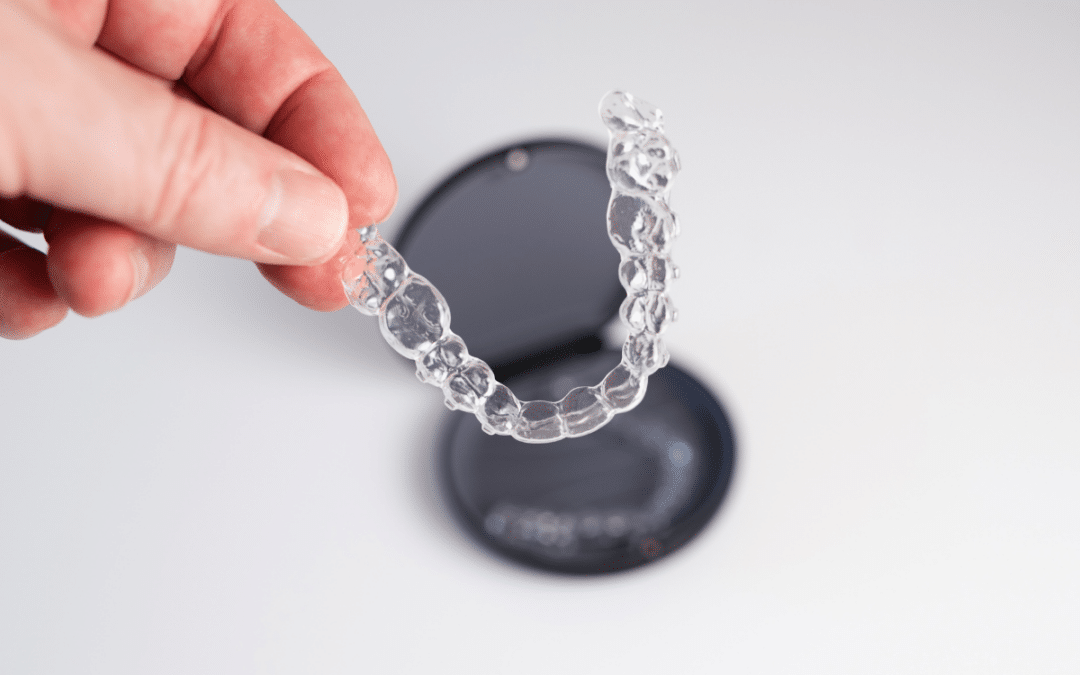
Starting your journey toward a straighter smile is exciting, but it’s natural to have concerns about possible side effects. One common question patients ask is whether aligners can cause headaches. While some people may experience mild discomfort at the beginning, it’s usually temporary and part of the adjustment process.
At Precision Dental Care and Sleep Solutions, we help patients understand what to expect during treatment with Invisalign Imperial, so they feel confident every step of the way.
Why Do Some People Experience Headaches?
When you begin wearing aligners, your teeth start shifting into new positions. This movement creates gentle pressure on your teeth, gums, and surrounding muscles. As your body adjusts, this pressure may sometimes lead to mild headaches.
Patients in imperial may notice this sensation most during the first few days of treatment or after switching to a new set of aligners. The discomfort is typically short-lived and improves as your mouth adapts.
Common Causes of Headaches with Aligners
Headaches during treatment can happen for several reasons, including:
- Pressure from new aligners
- Jaw or facial muscle tension
- Bite adjustments as teeth shift
- Teeth grinding or clenching.
- Dehydration
These symptoms are usually mild and part of the normal alignment process.
Are Headaches a Common Side Effect?
Most people experience only minor soreness or pressure when starting aligners. Headaches are less common but can occur, especially if you are sensitive to changes in pressure.
In rare cases, patients may feel stronger discomfort due to bite changes or muscle strain. However, long-term issues are uncommon when treatment is properly monitored by a dental professional.
How Aligners Affect Your Jaw
Your teeth, jaw, and muscles work together as a system. When aligners begin repositioning your teeth, your jaw may temporarily adjust to a new alignment. This can create slight tension, especially in the early stages.
With consistent wear, your bite gradually improves, and any discomfort typically fades. Patients in Imperial who follow their treatment plan closely often experience smoother adjustments and better results.
When Should You Contact Your Provider?
While mild discomfort is normal, you should reach out to your provider if:
- Headaches become severe or persistent.
- Your aligners feel extremely tight or painful.
- You notice unusual bite changes.
- Pain does not improve after a few days.
A professional evaluation can ensure your treatment stays on track and comfortable.
Tips to Reduce Discomfort
You can manage mild headaches during treatment with simple steps:
- Stay well hydrated
- Wear aligners consistently as directed.
- Use over-the-counter pain relief if needed.
- Switch to new trays before bedtime.
- Avoid clenching or grinding your teeth.
These small habits can make a big difference in your comfort level.
Start Your Invisalign Journey with Confidence
Headaches during aligner treatment are usually temporary and manageable. Understanding what causes them can help you feel more prepared and confident throughout your journey.
At Precision Dental Care and Sleep Solutions, we provide expert care and guidance for patients considering Invisalign Imperial solutions for a straighter, healthier smile.
If you’re ready to begin your smile transformation, schedule your consultation today and take the first step toward lasting confidence.
FAQs
Do headaches mean my aligners don’t fit properly?
Not necessarily. Mild headaches can occur even with properly fitted aligners. Persistent pain should be checked by your provider.
Can teeth grinding make headaches worse?
Yes, clenching or grinding can increase muscle tension and contribute to discomfort.
Should I remove my aligners if I have a headache?
Short breaks are fine, but avoid removing them for long periods, as it may delay progress.
Can dehydration increase discomfort?
Yes, staying hydrated helps reduce muscle tension and improves overall comfort.
Will aligners affect my sleep?
Some patients notice mild discomfort initially, but sleep typically improves as your mouth adjusts.
Why do aligners feel tight at first?
Each new tray applies gentle pressure to move your teeth, which can feel tight initially.
Why do headaches occur after switching trays?
New trays create slight pressure changes, which may cause temporary tension or mild headaches.