
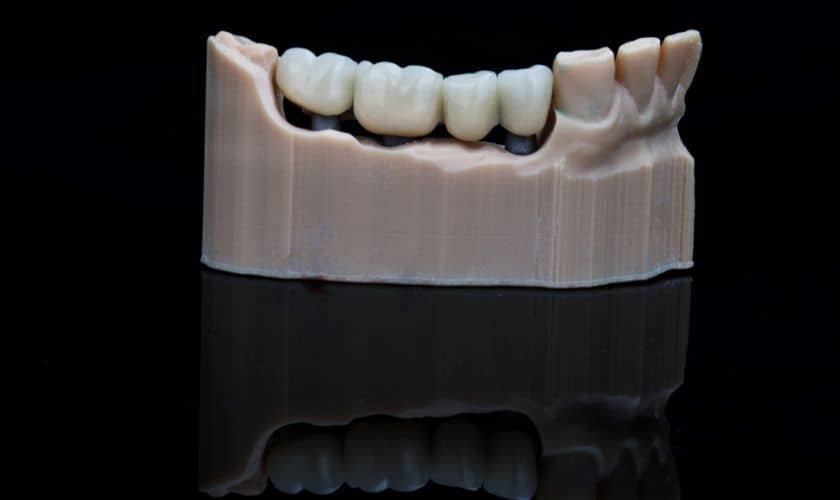
Welcome to our blog post on enhancing your smile with dental crowns! If you’ve been looking for a solution to improve the appearance and health of your teeth, dental crowns might just be the answer you’ve been searching for. With their ability to restore damaged or decayed teeth, dental crowns offer a range of benefits that can help you achieve a beautiful and confident smile. In this article, we will explore the different types of dental crowns available, discuss their numerous advantages for oral health and aesthetics, walk you through the process of getting a crown, provide aftercare tips, highlight alternative options, and ultimately equip you with all the information needed to make an informed decision about improving your smile. So let’s dive in and discover how dental crowns can transform both your oral health and self-esteem!
The Different Types of Dental Crowns
When it comes to dental crowns, there are several different types to choose from. Each type has its own unique benefits and considerations. Let’s take a closer look at the different types of dental crowns available:
1. Ceramic Crowns: These crowns are made from porcelain or ceramic materials that closely resemble natural teeth. They offer excellent aesthetic results, as they can be color-matched to your existing teeth.
2. Porcelain-Fused-to-Metal (PFM) Crowns: PFM crowns combine the strength of metal with the aesthetics of ceramic. A metal base is covered with layers of porcelain, providing durability and a natural appearance.
3. Gold Alloy Crowns: Gold alloy crowns are known for their longevity and strength. While they may not offer the same cosmetic appeal as other options, they are often recommended for molars or patients who grind their teeth.
4. Zirconia Crowns: Zirconia is a strong and durable material that can withstand heavy biting forces without chipping or cracking. These crowns blend seamlessly with your natural teeth and provide long-lasting results.
Benefits of Dental Crowns for Oral Health
Dental crowns offer numerous benefits when it comes to oral health. One of the primary advantages is their ability to provide protection and support for weak or damaged teeth. When a tooth is severely decayed or has undergone a root canal, it can become weakened and prone to further damage. Dental crowns act as a protective barrier, shielding the tooth from additional harm.
Another benefit of dental crowns is their ability to restore functionality to compromised teeth. If you have a tooth that is cracked, chipped, or otherwise structurally compromised, a crown can help restore its strength and durability. This allows you to eat and chew without discomfort or limitations.
In addition to providing structural support, dental crowns also improve the overall appearance of your smile. Crowns are custom-made to match the color and shape of your natural teeth, creating a seamless blend within your mouth. Whether you have discolored teeth or noticeable gaps between them, dental crowns can give you an aesthetically pleasing smile.
Furthermore, dental crowns play a crucial role in maintaining proper alignment within your mouth. When there’s an empty space left by missing teeth, adjacent teeth may start shifting out of position over time. By placing dental crowns on these adjacent teeth as part of bridgework or implant-supported restorations, they serve as anchors and prevent movement.
Dental crowns offer significant benefits for oral health by providing protection for weak teeth while restoring function and enhancing aesthetics in the process. With proper care and maintenance after getting a crown placed by your dentist — such as regular brushing/flossing routines and routine check-ups — you can enjoy improved oral health for years to come.
Cosmetic Benefits of Dental Crowns
When it comes to dental aesthetics, dental crowns are a game-changer. These versatile restorations not only restore damaged teeth but also improve the appearance of your smile.
One major cosmetic benefit of dental crowns is their ability to cover up discolored or stained teeth. Whether your tooth discoloration is due to age, genetics, or lifestyle factors like smoking or coffee consumption, a dental crown can give you a bright and white smile.
Additionally, if you have misshapen or unevenly sized teeth that make you self-conscious about smiling, dental crowns can help correct these issues. By placing custom-made porcelain crowns over your natural teeth, your dentist can create a harmonious and symmetrical smile that boosts your confidence.
Dental crowns can also be used to close gaps between teeth and fix minor alignment problems. If orthodontic treatment isn’t an option for you or if you’re looking for a quicker solution, crowning affected teeth might be just what you need.
Another advantage of dental crowns is their durability and longevity. Unlike other cosmetic procedures like veneers that may require replacement after several years, well-maintained dental crowns can last for many years with proper oral hygiene practices.
In addition to their aesthetic benefits, dental crowns provide functional advantages as well. They strengthen weakened teeth and protect them from further damage caused by decay or fracture. This means not only will your smile look better with dental crowns, but also feel healthier overall.
With their ability to enhance both the appearance and functionality of your teeth, it’s no wonder why so many people choose dental crowning as a solution for various oral health concerns. Whether you want to address cosmetic imperfections in your smile or strengthen compromised teeth, consulting with an experienced dentist will help determine if this procedure is right for you. Remember, a healthy and confident smile is just one dental crown away
The Process of Getting a Dental Crown
First, your dentist will thoroughly examine your tooth to determine if a dental crown is necessary. They may take X-rays or use other diagnostic tools to assess the extent of damage or decay.
Next, they will prepare the tooth by removing any damaged or decayed material and shaping it to accommodate the crown. This may involve filing down the tooth or building it up with filling material.
Once the tooth is prepared, your dentist will take impressions of your teeth using putty-like materials or digital scanners. These impressions are used to create a custom-made crown that fits perfectly over your natural tooth.
While you wait for the permanent crown to be fabricated in a dental lab, your dentist may place a temporary crown on the prepared tooth for protection.
During your next visit, the temporary crown will be removed and replaced with the permanent one. Your dentist will ensure that it fits properly and make any necessary adjustments before permanently bonding it in place.
Getting a dental crown usually requires two separate visits to complete but can vary depending on individual cases. It’s essential to follow proper oral hygiene practices and attend regular check-ups with your dentist for long-term maintenance of your dental crowns.
Aftercare and Long-Term Maintenance
Aftercare and long-term maintenance are essential for ensuring the longevity and success of your dental crown. Following your dentist’s instructions is crucial to keep your smile looking its best.
One important aspect of aftercare is maintaining good oral hygiene. This includes brushing twice a day with a soft-bristle toothbrush and fluoride toothpaste, as well as flossing daily. By keeping your teeth clean, you can prevent plaque buildup around the dental crown and minimize the risk of decay.
Regular dental check-ups are also vital for monitoring the condition of your dental crown. Your dentist will examine the crown, surrounding teeth, and gums to ensure everything is in proper order. They may recommend professional cleanings or adjustments if necessary.
Avoiding bad habits such as biting on hard objects or chewing ice can help prevent damage to your dental crown. Additionally, wearing a mouthguard during sports activities or grinding/clenching at night can protect both natural teeth and crowns from injury.
It’s essential to be mindful of any changes or discomfort associated with your dental crown. If you experience pain, sensitivity, or notice any abnormalities around the area, contact your dentist promptly for evaluation.
By following these aftercare guidelines and practicing good oral hygiene habits consistently, you can prolong the life of your dental crown while maintaining a healthy smile!
Alternatives to Dental Crowns
While dental crowns are a popular and effective solution for various oral issues, they may not be the right choice for everyone. Fortunately, there are alternative treatments available that can address similar concerns. Here are a few options to consider:
1. Dental Veneers: Veneers are thin porcelain shells that cover the front surface of teeth to improve their appearance. They can correct discoloration, chips, and minor misalignment.
2. Composite Bonding: This procedure involves applying tooth-colored resin directly onto the affected tooth and shaping it to match the natural tooth structure. It is an excellent option for repairing chipped or cracked teeth.
3. Inlays and Onlays: Also known as indirect fillings, inlays and onlays are used when a traditional filling is insufficient but a dental crown isn’t necessary. They help restore damaged or decayed teeth with precision-fit restorations made from composite resin or porcelain.
4. Orthodontic Treatment: For patients with crooked or misaligned teeth, orthodontic treatment such as braces or clear aligners like Invisalign can provide long-term solutions without requiring dental crowns.
5. Tooth Whitening: If your main concern is stained or discolored teeth, professional whitening treatments offer a non-invasive way to achieve a brighter smile without the need for dental crowns.
Remember, each individual case is unique, so it’s essential to consult with your dentist about which alternative treatment would be most suitable for you. Dental crowns are a versatile and effective solution for enhancing your smile and improving your oral health. Whether you need to restore a damaged tooth or simply want to achieve a more aesthetically pleasing appearance, dental crowns can provide the perfect solution.
With different types of dental crowns available, including porcelain, ceramic, metal alloy, and zirconia options, you can choose the material that best meets your needs and preferences. Not only do dental crowns offer structural support and protection for weakened teeth, but they also deliver cosmetic benefits by improving the shape, size, color, and alignment of your teeth.
The process of getting a dental crown involves multiple steps but is relatively straightforward. Your dentist will carefully prepare the tooth before taking impressions to ensure an accurate fit. While waiting for your permanent crown to be created in a laboratory setting, you’ll be provided with a temporary crown to protect the prepared tooth.
Aftercare is crucial in maintaining the longevity of your dental crown. Regular brushing and flossing, along with routine visits to your dentist, will help keep both your natural teeth and crowned teeth in optimal condition. By practicing good oral hygiene habits and avoiding bad habits such as chewing on hard objects or grinding teeth at night (which could damage or dislodge the crown), you can enjoy lasting results from your dental crown.
While there are alternatives available, such as fillings or veneers, depending on individual circumstances, dental crowns remain one of the most reliable solutions for restoring damaged teeth or achieving an enhanced smile.
So if you’re looking to enhance both the function and aesthetics of your smile while ensuring long-term oral health benefits, consider talking to your dentist about whether dental crowns might be right for you. With their ability to provide strength, durability, and beauty all rolled into one comprehensive treatment option, it’s no wonder that so many people turn towards this popular choice!