
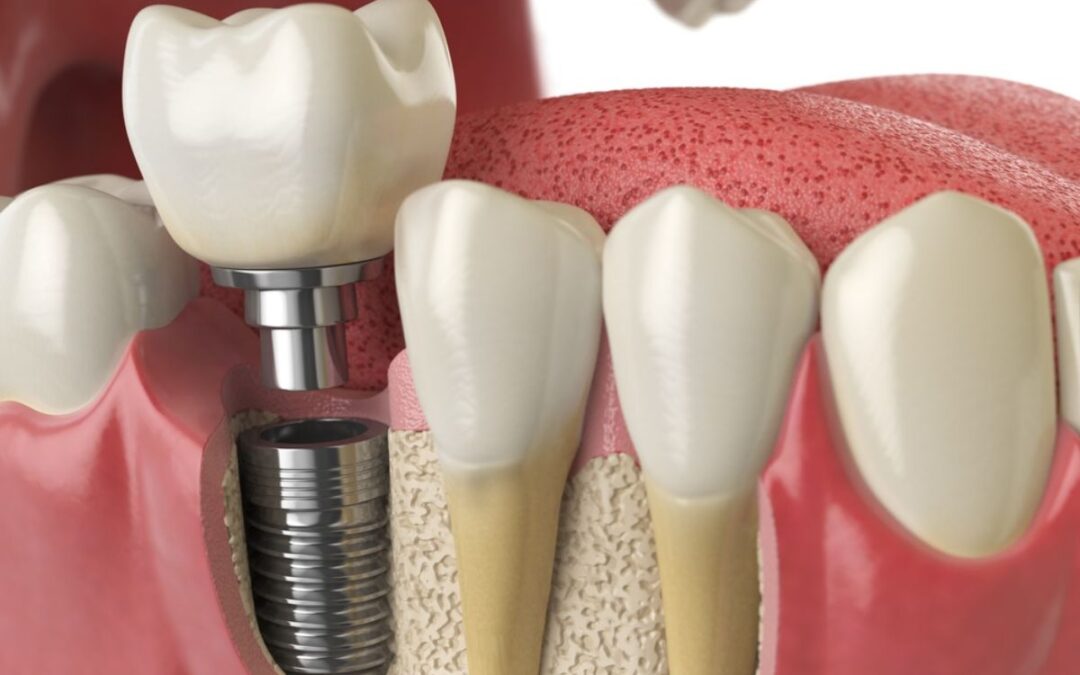
Dental implants are one of the most effective and long-lasting solutions for missing teeth, but many patients hesitate because they worry about pain. The good news is that modern dental technology and advanced techniques have made the implant process far more comfortable than most people expect.
If you’re considering dental implants Imperial, understanding what the procedure involves—and what the recovery feels like—can help ease anxiety and set realistic expectations.
Understanding the Dental Implant Procedure
Dental implants replace missing teeth by placing a small titanium post into the jawbone, which acts as a stable foundation for a custom restoration. Over time, the implant fuses with the bone through a process called osseointegration, creating a secure and natural-feeling result.
Today’s implant dentistry focuses heavily on patient comfort, precise planning, and minimally invasive techniques.
What to Expect Before, During, and After Treatment
1. Consultation and Planning Before the procedure, your dentist will perform a comprehensive evaluation using digital X-rays or 3D imaging to assess bone health and plan implant placement accurately. This detailed approach helps reduce complications and discomfort during and after treatment.
2. The Implant Procedure During the procedure, local anesthesia is used to fully numb the treatment area, ensuring you feel little to no pain. For patients who feel anxious, sedation options may also be available for added comfort. Most patients report feeling pressure rather than pain, similar to a routine tooth extraction.
3. Recovery and Healing After the implant is placed, some soreness, swelling, or mild discomfort is normal once the anesthesia wears off. These symptoms are usually temporary and manageable with proper care. Many patients are able to return to normal daily activities within a day or two.
How Painful Are Dental Implants Really?
- Pain During the Procedure: Thanks to modern anesthesia and gentle techniques, the procedure itself is typically not painful. Patients remain comfortable throughout treatment and often feel surprised by how easy the experience is.
- Pain After the Procedure: Post-procedure discomfort is usually mild to moderate and peaks within the first 24–48 hours. Over-the-counter pain relievers are often sufficient, though prescription medication may be recommended in some cases. Swelling and tenderness gradually subside as healing progresses.
How to Manage Discomfort During Recovery
Proper aftercare plays a major role in keeping discomfort to a minimum. Helpful recovery tips include:
- Follow all post-treatment instructions carefully.
- Use ice packs to reduce swelling during the first 24 hours.
- Eat soft foods and avoid chewing near the implant site.
- Maintain good oral hygiene without disturbing the area.
- Avoid smoking, as it can slow healing and increase discomfort.
Tips to Minimize Pain and Support Healing
While some discomfort is normal, these steps can help ensure a smoother recovery:
- Keep the surgical area clean to prevent infection.
- Take prescribed or recommended medications as directed.
- Get plenty of rest during the first few days.
- Avoid excessive chewing or pressure on the implant site.
Choosing an experienced dental provider also helps reduce the risk of complications and supports predictable healing.
Restore Your Smile with Confidence
Once healing is complete, dental implants offer exceptional long-term benefits. They restore the appearance of your smile, improve chewing function, and help preserve jawbone structure by preventing bone loss.
At Precision Dental Care and Sleep Solutions, patients seeking dental implants receive personalized care focused on comfort, precision, and long-term success. From consultation through recovery, every step is designed to help you feel confident and informed.
Schedule a consultation today and take the first step toward restoring your smile with lasting dental implant solutions.
Frequently Asked Questions
Is the dental implant procedure painful?
The procedure itself is not painful due to local anesthesia and optional sedation. Mild discomfort after treatment is normal and temporary.
How long does recovery from dental implants take?
Initial healing typically takes 1–2 weeks, while full integration with the jawbone can take several months.
Can I eat normally after getting dental implants?
Soft foods are recommended for the first few days. Once healing progresses, most patients return to a normal diet without difficulty.
Are dental implants safe?
Dental implants have a high success rate. Complications are rare when treatment and aftercare instructions are followed properly.
What if my implant doesn’t heal correctly?
If an implant fails to integrate, it can usually be removed and replaced after healing. Your dentist will monitor progress closely and address any concerns promptly.