
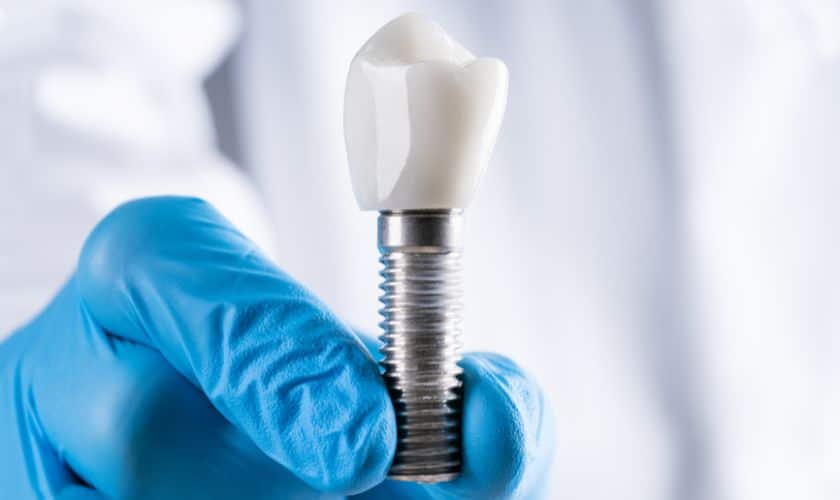
Dental implants are one of the most popular and effective ways to replace missing teeth. They offer a long-lasting solution that looks and feels like natural teeth. However, the idea of undergoing oral surgery for a dental implant can make some people anxious, particularly regarding potential pain. This blog explores the discomfort associated with dental implants, the steps involved in the procedure, and what you can expect during recovery.
Understanding the Dental Implant Procedure
Before diving into the specifics of pain management, it’s helpful to understand what the dental implant process entails. The procedure typically involves multiple steps, each of which has a different impact on your comfort.
Step 1: Initial Consultation and Examination The first step involves an examination by your dentist or oral surgeon. They will assess your oral health, take X-rays or 3D images of your jaw, and determine if you’re a good candidate for a dental implant. Since this stage doesn’t involve surgery, there’s no discomfort beyond a standard dental visit.
Step 2: Bone Grafting (If Necessary) If your jawbone lacks the density required to support an implant, you may need a bone graft before the actual implant surgery. Bone grafting involves adding bone material to the jaw, which strengthens the area for the future implant. This procedure can cause some discomfort post-surgery, but pain levels are generally manageable with over-the-counter painkillers and subside within a few days.
Step 3: Implant Placement Surgery This is the most critical part of the dental implant process. During this procedure, the oral surgeon will make an incision in the gum and drill a small hole in the jawbone to place the titanium implant. The area is numbed with local anesthesia, ensuring you don’t feel pain during the procedure. However, you may feel pressure and vibrations as the implant is secured.
Step 4: Healing Period After the implant is placed, your body requires time to heal and integrate the implant into the jawbone—a process known as osseointegration. This stage can take several months, during which you may experience some discomfort or sensitivity, but it usually fades as the area heals.
Step 5: Abutment Placement Once the implant has fused with your jawbone, an abutment is placed on top of it. The abutment connects the implant to the crown (the visible part of your tooth). This is a minor procedure that involves reopening the gum and attaching the abutment. As with the implant surgery, local anesthesia is used, so the procedure itself is not painful. Any post-procedure discomfort can typically be managed with pain medication.
Step 6: Crown Placement Finally, once the implant and abutment are in place, your dentist will attach a custom-made crown to complete the restoration. Since this step doesn’t involve surgery, it is usually painless.
What Does Dental Implant Pain Feel Like?
Most people are concerned about the pain during and after dental implant surgery. While the surgery itself is pain-free thanks to anesthesia, the post-operative period can involve some mild to moderate discomfort. It’s important to understand the sensations you may experience:
- Swelling: It is common to have swelling in your gums and face after the surgery. The swelling may last for a few days and can be minimized by applying ice packs to the affected area.
- Tenderness: Your gums will likely feel tender and sore in the days following the implant procedure. Eating soft foods and avoiding hard or crunchy items can help reduce discomfort.
- Bruising: Some patients experience bruising around the surgical site. While it might be visually concerning, bruising is generally not painful and fades as healing progresses.
- Jaw Soreness: Depending on the placement of the implant and the condition of your jawbone, you might feel soreness in your jaw. This discomfort is usually temporary and can be eased with over-the-counter pain medications.
Pain Management During and After the Procedure
Dentists and oral surgeons take several measures to ensure you feel minimal pain during the procedure and throughout recovery.
- Local Anesthesia: Local anesthesia is used during the implant surgery to numb the gums and jaw area. This means you won’t feel any pain while the implant is being placed. In some cases, sedation or general anesthesia may be offered for patients who are particularly anxious or undergoing more complex surgeries.
- Over-the-Counter Pain Relievers: After the anesthesia wears off, you may experience mild discomfort for a few days. Common over-the-counter pain relievers such as ibuprofen or acetaminophen are typically sufficient to manage this discomfort. Your dentist may also prescribe stronger painkillers if needed.
- Ice Packs and Rest: Applying ice packs to the outside of your face near the surgical site can help reduce swelling and numb any mild pain. Additionally, resting and avoiding strenuous activities will allow your body to focus on healing.
- Soft Diet: Sticking to soft foods such as soups, mashed potatoes, and smoothies will help you avoid putting pressure on the implant site, reducing discomfort while eating. Gradually, as your mouth heals, you can reintroduce more solid foods into your diet.
- Follow-Up Care: Regular follow-up appointments with your dentist will ensure that the implant is healing properly. Your dentist may recommend additional pain-relief strategies if you experience prolonged discomfort.
How Long Does the Pain Last?
For most patients, any discomfort following dental implant surgery typically subsides within a week. Swelling and bruising may last a bit longer but should noticeably improve each day. Complete healing of the implant site, however, may take several months as the jawbone integrates with the implant. During this time, you may experience occasional sensitivity or tenderness, but these symptoms are usually mild and manageable. If you experience severe or prolonged pain, it’s essential to contact your dentist or oral surgeon. Persistent pain could indicate an infection or an issue with the implant that needs to be addressed.
Conclusion: Is Getting Dental Implants Worth It?
While dental implants involve surgery and some discomfort during the healing process, the pain is usually minimal and short-lived. Most patients find that the long-term benefits of dental implants—a restored smile, improved functionality, and enhanced self-confidence—far outweigh the temporary discomfort. With proper pain management and aftercare, you can expect a smooth recovery and enjoy the lasting results of your dental implants. If you’re considering dental implants, consult your dentist to discuss the procedure, your pain tolerance, and any concerns you might have. They will guide you through the process, ensuring you are as comfortable as possible every step of the way.