
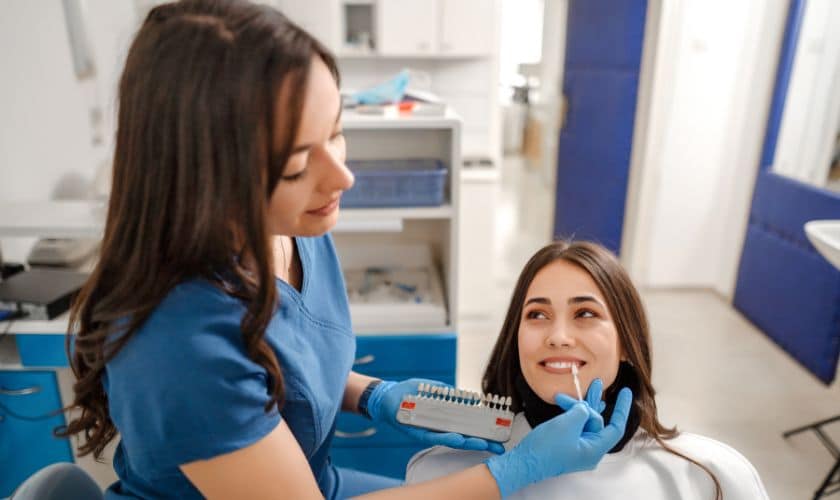
Are you looking to transform your smile and regain your confidence? Dental veneers might just be the answer you’ve been searching for! These thin, custom-made shells are designed to cover the front surface of teeth, providing a natural-looking solution for various dental imperfections. Whether you want to improve the appearance of discolored or misaligned teeth, or simply enhance their shape and size, dental veneers can help you achieve that Hollywood-worthy smile. In this ultimate guide, we’ll explore everything you need to know about dental veneers – from the different types available to what you can expect during and after the procedure. So let’s dive in and discover if dental veneers are right for YOU!
What are Dental Veneers
What exactly are dental veneers? Dental veneers are thin shells made of porcelain or composite resin that are custom-made to fit over the front surface of your teeth. They serve as a cosmetic solution for a wide range of dental issues. These issues can include discoloration, chipped or broken teeth, gaps between teeth, and even slightly misaligned teeth.
Porcelain veneers offer the most natural-looking results. They mimic the appearance of real teeth, reflecting light in a similar way. Composite resin veneers, on the other hand, may be more affordable and require less preparation time.
To prepare your teeth for veneers, your dentist will remove a small amount of enamel from the front surface. This is to create space for the placement of the veneer without making your tooth look bulky or unnatural. Impressions will then be taken to ensure that each veneer fits perfectly.
Once ready, these custom-made shells will be bonded to your teeth using special dental cement or adhesive. The final result is a beautiful smile that looks completely natural!
With proper care and maintenance – including regular brushing and flossing – dental veneers can last anywhere from 10 to 15 years before needing replacement.
So if you’re looking for an effective way to enhance your smile and boost your confidence, dental veneers could be just what you need! With their ability to address various cosmetic concerns while providing long-lasting results, it’s no wonder they have become such a popular choice among people seeking smile makeovers.
Types of Dental Veneers
Dental veneers are a popular cosmetic dental treatment that can transform the appearance of your smile. There are different types of dental veneers available, each with its own unique characteristics and benefits. Let’s explore some of the most common types:
1. Porcelain Veneers: These are thin shells made from high-quality porcelain material. They are custom-made to match the color, shape, and size of your natural teeth, providing a seamless and natural-looking result.
2. Composite Resin Veneers: Made from a tooth-colored resin material, these veneers offer an affordable option for enhancing your smile. While they may not be as durable as porcelain veneers, they can still provide excellent aesthetic results.
3. Lumineers: Lumineers are ultra-thin porcelain veneers that require minimal preparation to fit onto your teeth comfortably. They offer a conservative approach to improving your smile without significantly altering your natural tooth structure.
4. Removable Veneers: Also known as snap-on or clip-on veneers, these removable alternatives can be taken in and out whenever desired for special occasions or events when you want an instant transformation.
It’s important to consult with a qualified dentist who will assess your dental condition and recommend the most suitable type of veneer for you based on factors such as durability, aesthetics, cost, and personal preference.
What to Expect During the Procedure:
When you decide to get dental veneers, it’s important to have a clear understanding of what the procedure entails. Here’s what you can expect when you go in for your appointment.
First, your dentist will conduct a thorough examination of your teeth and discuss your goals and expectations. They will then create a customized treatment plan tailored specifically to you.
Next, the process of preparing your teeth for veneers will begin. This involves removing a small amount of enamel from the front surface of each tooth that will receive a veneer. Don’t worry; this is done under local anesthesia, so you won’t feel any pain or discomfort.
Afterward, impressions or digital scans of your prepared teeth are taken so that custom-made veneers can be created in a dental laboratory. In the meantime, temporary veneers may be placed on your teeth to protect them and maintain aesthetics.
Once your permanent veneers are ready (usually within two weeks), you will return to the dentist’s office for their placement. The dentist carefully bonds each individual veneer onto its corresponding tooth using special adhesive cement.
Adjustments are made as needed to ensure proper fit and bite alignment. Your dentist may also provide instructions on how to care for and maintain your new dental veneers for long-lasting results.
While getting dental veneers does involve several steps, rest assured that the procedure is relatively straightforward and well worth it once you see the beautiful transformation of your smile!
After the Procedure
After the Dental Veneers Procedure, it is important to take care of your new smile to ensure its longevity and maintain its natural appearance. Here are some tips on what to expect after getting dental veneers:
1. Sensitivity: It is normal to experience some sensitivity in your teeth immediately after the procedure. This sensitivity should subside within a few days as your teeth adjust to the veneers.
2. Oral Hygiene: Continue practicing good oral hygiene by brushing twice a day and flossing daily. Use a non-abrasive toothpaste and a soft-bristled toothbrush to avoid damaging the veneers.
3. Avoid Staining Agents: While dental veneers are stain-resistant, it is still important to minimize consumption of foods and beverages that can cause staining, such as coffee, tea, red wine, or tobacco products.
4. Regular Dental Check-ups: Schedule regular check-ups with your dentist for cleanings and examinations of your dental veneers. Your dentist will ensure that they remain in good condition and address any issues promptly.
5. Protect Your Teeth: If you engage in activities that may put stress on your teeth (such as grinding or clenching), consider using a mouthguard at night or during physical activities.
By following these post-procedure tips, you can enjoy your new smile for years to come! Remember to consult with your dentist if you have any concerns or questions about caring for your dental veneers properly.
Dental Veneers for Kids
When it comes to dental treatments, kids are often overlooked. However, dental veneers can be a viable option for children as well. These thin shells made of porcelain or composite resin can help improve the appearance of your child’s teeth and boost their confidence.
One common concern parents have is whether veneers are safe for their little ones. The good news is that dental veneers are generally considered safe for children who meet certain criteria. It’s important to consult with a pediatric dentist to determine if your child is a suitable candidate for this procedure.
The process of getting dental veneers for kids is similar to that of adults. The dentist will evaluate your child’s oral health, take impressions of their teeth, and prepare the tooth surface by removing a small amount of enamel. Then, custom-made veneers will be bonded onto the front surfaces of their teeth.
It’s worth noting that since children’s mouths are still growing and developing, they may require additional adjustments or replacements as they get older. Regular check-ups with the dentist will ensure that any issues are addressed promptly.
While cost can be a factor in deciding whether to pursue dental veneers for kids, many dental insurance plans cover this treatment option partially or fully depending on the case.
Dental veneers can be an effective solution for improving your child’s smile and self-esteem. Consult with a qualified pediatric dentist to determine if this treatment is right for your little one.
In this ultimate guide, we have explored the world of dental veneers and their suitability for different individuals. Dental veneers are a popular cosmetic dentistry option that can transform your smile and boost your confidence.
We started by understanding what dental veneers are – thin shells made from porcelain or composite resin that are bonded to the front surface of teeth. We then delved into the types of dental veneers available, including porcelain veneers, composite veneers, and minimal-prep or no-prep veneers.
Next, we discussed what to expect during the procedure itself. From initial consultation and assessment to tooth preparation and final placement, it’s important to have realistic expectations about the process. While each case is unique, you can generally anticipate multiple visits over a few weeks before achieving your desired results.
Aftercare is crucial in maintaining the longevity of your dental veneers. Proper oral hygiene practices such as regular brushing and flossing remain essential for overall oral health. It’s also advisable to avoid biting on hard objects or using your teeth as tools to prevent any damage.
When considering dental veneer treatment, cost is an important factor to consider. The price varies depending on factors like material type, number of teeth being treated, geographic location, and additional procedures required. Consulting with a dentist will provide you with accurate estimates based on your specific needs.
While dental veneers are commonly associated with adults seeking smile makeovers or corrective solutions for chipped or discolored teeth, they may not be suitable for children unless recommended by a pediatric dentist due to their developing mouths.