
Missing teeth don’t just change your smile — they can affect how you eat, speak, and feel around others. Many people worry about making the wrong decision when restoring their teeth. If you’re considering dental implants imperial, one of the biggest questions you probably have is simple:
Will they last forever?
Understanding the truth behind implant longevity can help you make confident decisions about your oral health. This guide explains what impacts durability, what risks exist, and how professional care helps protect your investment.
The Real Question Behind Implant Longevity
People exploring tooth replacement want certainty. They want something stable, natural-looking, and dependable for years — not another temporary fix.
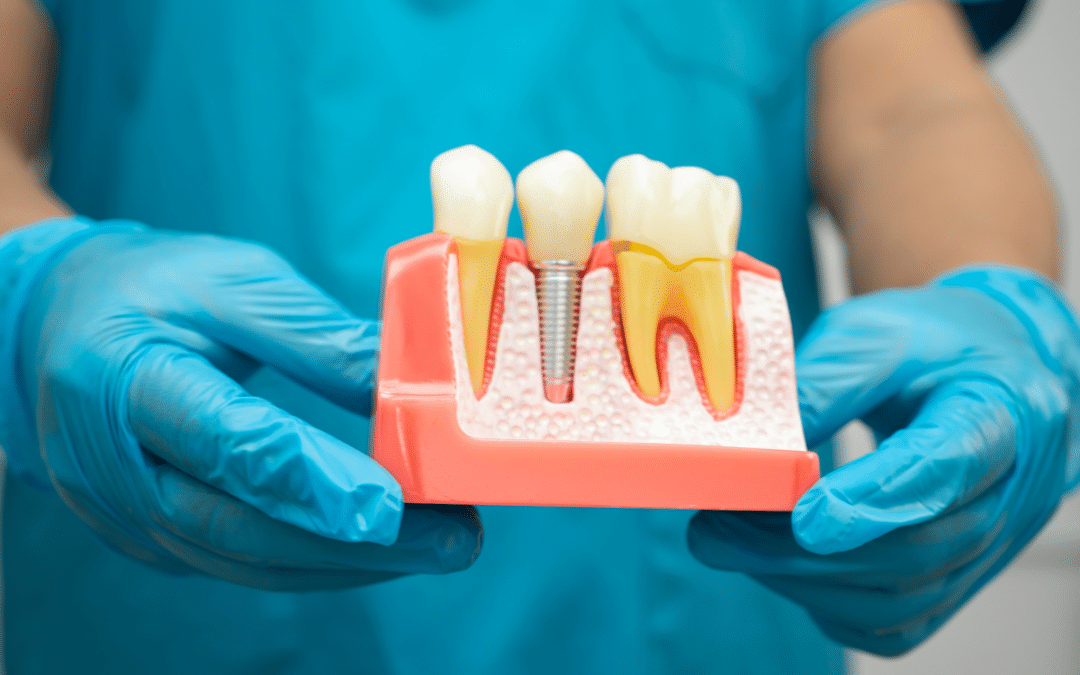
Dental implants are designed to be long-lasting. The titanium post integrates with your jawbone, creating a stable base for a crown or restoration. With proper care, many implants remain functional for decades.
However, nothing in dentistry comes with a lifetime guarantee. Longevity depends on health habits, maintenance, and professional oversight.
That’s why understanding expectations matters before starting treatment.
Why Longevity Matters for Oral Health and Confidence
Choosing tooth replacement is not just about appearance. It affects daily life in real ways:
- Comfortable chewing
- Clear speech
- Jawbone preservation
- Facial structure support
- Self-confidence in social situations
A solution built to last reduces future dental procedures and helps maintain oral stability. Patients seeking an experienced implant dentist imperial often prioritize this long-term value.
The longer an implant stays healthy and stable, the greater the return on both health and peace of mind.
Risks That Can Affect How Long Implants Last
Implants are durable, but several factors influence outcomes. Being aware of these risks empowers you to protect your results.
- Poor Oral Hygiene- Plaque buildup can lead to inflammation around the implant, threatening surrounding tissue and bone.
- Smoking or Tobacco Use- Tobacco slows healing and increases the risk of failure.
- Bone Loss or Gum Disease- Healthy supporting structures are essential for stability.
- Teeth Grinding- Excessive pressure can damage restorations.
- Missed Dental Visits- Professional monitoring helps catch small issues before they become larger concerns.
Ignoring these risks may shorten lifespan — even for well-placed implants.
How Professional Care Protects Implant Success
Working with a dental team experienced in implant planning, placement, and follow-up is essential.
A comprehensive approach typically includes:
- Detailed diagnostics and imaging
- Customized treatment planning
- Guided placement techniques
- Ongoing monitoring
- Preventive maintenance recommendations
Patients exploring dental implant services should consider the value of continued care — not just the procedure itself.
Regular evaluations help ensure healing progresses properly and restorations remain functional and comfortable.
A Local Approach to Long-Term Tooth Replacement
Patients throughout the Imperial community and surrounding areas rely on Precision Dental Care and Sleep Solutions for guidance when exploring restorative options.
A patient-centered approach emphasizes:
- Listening to individual goals
- Clear education about treatment expectations
- Transparent discussion of maintenance needs
- Continued support after restoration placement
If you are researching dental implants imperial, having a trusted local dental home means easier follow-ups, personalized recommendations, and convenient access to care when needed.
Those exploring implant dentistry often benefit from consultations that review health history, lifestyle factors, and long-term goals before deciding.
Ready to Restore Your Smile With Confidence?
Choosing implants is a meaningful decision — one that can support oral health for many years when done thoughtfully.
If you’ve been wondering whether implants are right for you, now is the time to take the next step.
Schedule a consultation to learn about your options for dental implants imperial, receive personalized guidance, and explore treatment pathways designed around your goals and comfort.
Your future smile deserves informed planning and professional care — not guesswork.
Your Next Step Toward a Stronger, Healthier Smile
Dental implants are among the most dependable tooth replacement solutions available today — but longevity depends on maintenance, habits, and professional guidance. Understanding the benefits and responsibilities helps you protect your smile for the long term.
If you’re ready to explore possibilities, reach out to begin a conversation about your restorative goals. Taking action today may prevent complications tomorrow and move you closer to renewed comfort and confidence.
Frequently Asked Questions
How many years do dental implants typically last?
Many implants remain functional for decades when properly maintained. The crown portion may require replacement over time due to wear.
Can implants fail after placement?
Yes, though uncommon. Causes include infection, insufficient bone support, or excessive pressure. Regular monitoring reduces risk.
Are implants stronger than natural teeth?
They are very durable and stable, but they still require care. Healthy habits protect both implants and natural teeth.
Is the procedure painful?
Patients often report manageable discomfort that resolves within days. Treatment planning focuses on comfort and clear expectations.
How do I care for implants daily?
Brush twice daily, floss regularly, and attend professional cleanings. Consistent hygiene supports longevity.
Who is a good candidate?
Many adults with adequate bone support and healthy gums qualify. A consultation determines suitability.
Are implants worth the investment?
For many patients, stability, function, and long-term convenience make them a valuable restorative option.
Medical Disclaimer – This content is for informational purposes only and does not replace professional dental evaluation, diagnosis, or treatment. Always consult a licensed dental provider regarding concerns about oral health or treatment options.