
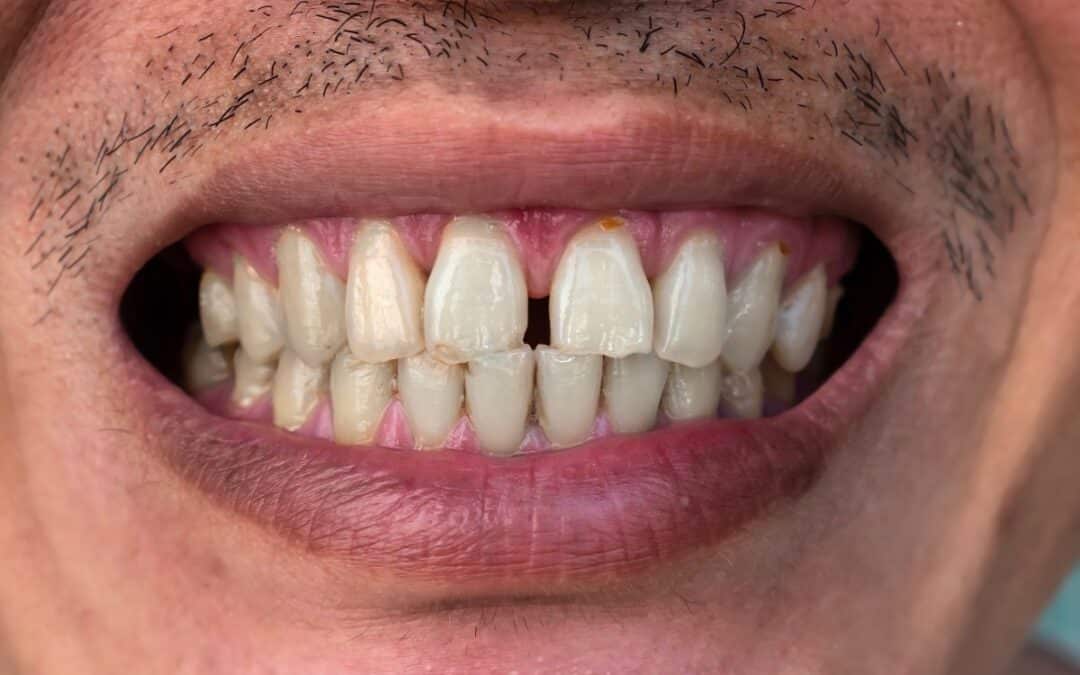
Gaps between teeth, known as diastemas, are a common dental concern. While some individuals embrace these spaces as part of their unique smile, others may find them a source of discomfort or insecurity. Fortunately, cosmetic dentistry offers several effective solutions to close these gaps, enhancing both appearance and oral function. In this article, we’ll explore how cosmetic dental procedures can correct gaps and restore confidence in your smile.
What Causes Gaps Between Teeth?
Before diving into solutions, it’s essential to understand the causes of diastemas. Various factors can lead to gaps, such as:
- Genetics: Some people naturally have a mismatch between their jaw size and teeth, resulting in gaps.
- Tongue-thrusting habits: This condition involves pressing the tongue against the front teeth while swallowing, which can push teeth apart.
- Gum disease: Inflammation and bone loss around teeth can create spaces over time.
- Missing teeth: Losing a tooth may cause adjacent teeth to drift, creating gaps.
- Poor alignment: Improper alignment of teeth may result in noticeable spaces.
Addressing the root cause of the gap is essential for long-term success in any cosmetic solution.
Cosmetic Dentistry Solutions for Fixing Gaps Between Teeth
1. Dental Bonding
Dental bonding is a simple and cost-effective way to fix minor gaps. A dentist applies a tooth-colored resin to the teeth, shaping it to fill the space. Once the resin is hardened using a special light, the treated teeth look seamless and natural.
Advantages of Dental Bonding:
- Quick, often requiring only one appointment.
- Non-invasive, with minimal removal of tooth enamel.
- Budget-friendly compared to other cosmetic procedures.
However, bonding materials may stain over time and are not as durable as other options.
2. Porcelain Veneers
Porcelain veneers are thin shells designed to cover the front surfaces of teeth. They are custom-made to match the shape and color of your natural teeth, making them a popular solution for closing gaps.
How Veneers Work:
- A thin layer of enamel is removed from the tooth to make room for the veneer.
- Impressions are taken to create custom veneers.
- The veneers are bonded to the teeth, instantly improving appearance.
Veneers offer durability and aesthetic appeal but come with a higher cost compared to dental bonding. They are ideal for those looking to fix multiple cosmetic issues beyond gaps, such as discoloration or uneven teeth.
3. Invisalign and Clear Aligners
For individuals with more significant spacing issues, clear aligners like Invisalign can help gradually move the teeth closer together. Unlike traditional braces, Invisalign aligners are nearly invisible and removable, making them a preferred option for adults and teens.
How Invisalign Works:
- Patients wear a series of clear aligners that gently shift teeth over time.
- Each aligner is worn for about two weeks before moving to the next.
- Treatment typically lasts 6 to 18 months, depending on the severity of the gaps.
Clear aligners offer a discreet way to correct spacing issues, but patient compliance is essential, as aligners must be worn for 20-22 hours daily for optimal results.
4. Dental Crowns
If gaps are accompanied by damaged or worn-down teeth, dental crowns may be the best solution. Crowns are tooth-shaped caps that cover and protect the entire tooth structure. They are made of porcelain or ceramic and are designed to blend seamlessly with the surrounding teeth.
Benefits of Crowns:
- Provide strength and protection for weak or damaged teeth.
- Offer long-lasting results.
- Can correct both cosmetic and functional issues.
Crowns may be more invasive than other cosmetic procedures since they require reshaping the natural tooth to fit the crown.
5. Braces
For those with severe gaps caused by misalignment or jaw issues, traditional braces may be necessary. Braces use brackets and wires to slowly adjust teeth over time, closing gaps and correcting other alignment problems.
While braces are effective, they come with a longer treatment time and are more noticeable than clear aligners. However, they remain a reliable option for complex orthodontic cases.
Which Treatment Is Right for You?
Choosing the right cosmetic treatment depends on several factors, including the size and cause of the gap, budget, and personal preferences. Here are a few things to consider:
- Minor gaps: Dental bonding or veneers can be quick solutions.
- Multiple cosmetic concerns: Veneers may be ideal if you also want to address discoloration or uneven teeth.
- Larger gaps: Invisalign or braces might be the most effective option for severe spacing.
- Damaged teeth: Crowns are suitable if the gap is accompanied by tooth damage or wear.
If you are unsure which solution fits your needs, consulting with a cosmetic dentist in Imperial can help you explore the best treatment options for closing gaps while maintaining optimal oral health.
Benefits of Fixing Gaps Between Teeth
Correcting gaps through cosmetic dentistry not only improves the appearance of your smile but also offers several oral health benefits:
- Improved bite function: Closing gaps ensures that teeth align properly when biting and chewing.
- Reduced risk of gum disease: Large spaces can trap food, increasing the risk of plaque buildup and gum inflammation.
- Boosted self-confidence: Many patients feel more comfortable smiling after closing gaps.
Conclusion
Gaps between teeth can affect both appearance and oral health, but cosmetic dentistry provides several effective solutions. Whether you opt for dental bonding, veneers, Invisalign, crowns, or braces, each method offers unique advantages tailored to your needs. Consulting with a cosmetic dentist will help determine the best treatment plan to achieve the smile you desire.
Closing those spaces not only transforms your look but can also enhance your confidence and overall dental health. Consider scheduling a consultation with your dentist today and take the first step toward a gap-free smile!