
Dental implant surgery is a transformative procedure that restores both functionality and aesthetics to your smile. While the benefits are extensive, the recovery period requires careful attention, particularly when it comes to eating. Patients often wonder, “How long after dental implant surgery can I eat?” The answer depends on several factors, including the healing process and the type of foods you choose. In this article, we’ll explore what to expect in terms of post-surgery eating and how to protect your new implant during recovery.
What Happens During Dental Implant Surgery?
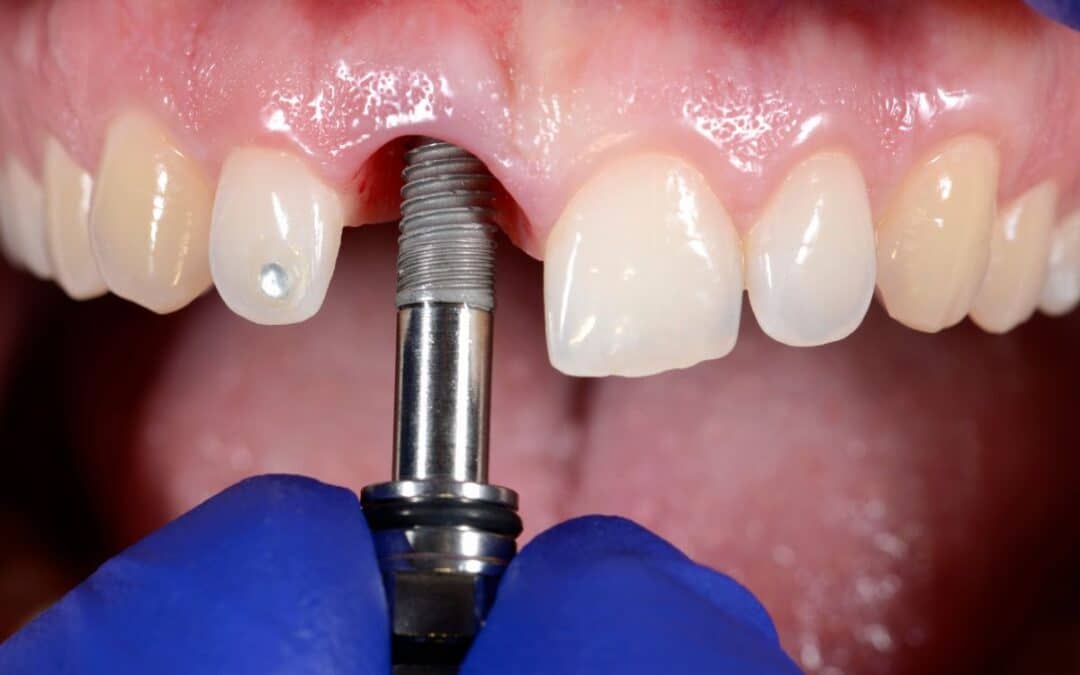
To understand why eating habits need to change after surgery, it’s essential to know what happens during the procedure. A dental implant involves the placement of a titanium post into the jawbone, acting as a replacement for a missing tooth root. Once the post is inserted, a healing period called osseointegration allows the bone to bond with the implant, ensuring its stability. After this healing phase, an artificial tooth, known as a crown, is attached to the implant, completing the restoration.
Whether you opt for dental implants in Imperial or elsewhere, the procedure itself is similar, but your dentist’s post-op care instructions may vary based on your specific case.
Why Eating Is Restricted After Dental Implant Surgery
The immediate post-surgery period is crucial for the success of the implant. Any undue pressure or strain on the implant site can disrupt healing or even dislodge the implant. That’s why your dentist will provide specific instructions regarding eating to help protect the surgical site.
When Can You Start Eating After Dental Implant Surgery?
1. Immediately After Surgery: First Few Hours
Right after your dental implant surgery, your mouth will still be numb from the anesthesia, which typically lasts a few hours. During this period, it’s crucial to avoid eating anything until the sensation in your mouth fully returns. Eating while numb could lead to biting your cheek, tongue, or lip, which could cause injury.
2. First 24-48 Hours After Surgery
For the first 24 to 48 hours, it’s essential to stick to liquids or very soft foods. Your gums will be sensitive, and the implant site needs time to begin healing. You can drink water, smoothies, broths, or consume other soft foods like applesauce or yogurt. Avoid using a straw, as the suction could disturb the clot formation and lead to a condition known as dry socket.
3. 3-7 Days After Surgery
As you progress into the first week after surgery, you can start introducing slightly more substantial soft foods. This includes mashed potatoes, scrambled eggs, and oatmeal. However, you must still avoid chewy, hard, or crunchy foods that could irritate the implant site or cause it to dislodge.
4. 2 Weeks After Surgery
By the two-week mark, your healing should have progressed significantly. At this stage, you may begin incorporating more varied textures into your diet, such as soft-cooked vegetables, fish, and pasta. However, you still need to avoid hard or chewy foods like steak, nuts, or raw vegetables that could stress the implant site.
Foods to Avoid After Dental Implant Surgery
Throughout your recovery period, certain foods and habits should be avoided to ensure proper healing:
- Hard foods: Avoid foods like nuts, chips, hard candies, or raw vegetables.
- Chewy foods: Stay away from foods that require a lot of chewing, such as gum or bagels.
- Sticky foods: Candies, caramel, and taffy should be avoided, as they can stick to the surgical site and interfere with healing.
- Acidic or spicy foods: Foods with high acidity, such as citrus fruits or spicy dishes, can irritate the gums and slow down recovery.
- Hot foods and beverages: Consuming overly hot food or drinks can increase swelling and discomfort, so stick to lukewarm or room temperature options.
The Importance of a Soft Diet for Healing
A soft diet is critical during your recovery period because it minimizes the pressure on your new implant. Any strain, particularly in the early stages of healing, could compromise osseointegration—the process where the bone fuses with the titanium post. Without proper integration, the implant may not become secure enough to support the dental crown.
Whether you’ve received dental implants in Imperial or from another specialist, a soft diet plays a pivotal role in ensuring a smooth recovery.
Signs You’re Ready to Resume Normal Eating
The length of time it takes before you can return to your regular eating habits varies from patient to patient. Factors like your overall health, the complexity of the surgery, and how well you follow post-operative care instructions all play a role. Here are some signs that you may be ready to start eating normally again:
- Reduced swelling: Once the swelling subsides significantly, it’s a sign that the healing process is advancing.
- Decreased pain: As the pain lessens, it usually indicates that your body is healing well, and you may be able to tolerate more substantial foods.
- Approval from your dentist: Always consult your dentist before resuming your regular diet. They will check the stability of your implant and make sure it’s safe for you to eat harder foods.
When Can You Eat Normally Again?
Generally, most patients can start eating normally within 6-8 weeks following dental implant surgery. By this time, osseointegration should be well underway, and the implant will be stable enough to handle regular foods. However, the exact timeline depends on how well you follow your dentist’s post-op instructions, how quickly your body heals, and whether there were any complications during surgery.
What If You Have Multiple Implants?
If you’ve had multiple implants placed or a more complex procedure, such as a full arch of implants, your recovery time may be longer. In such cases, your dentist may recommend a modified soft-food diet for several weeks to allow the bone to heal properly. For patients undergoing full mouth reconstruction, it can take up to 3-6 months before they can fully resume eating normally.
Tips for Eating Comfortably After Dental Implant Surgery
- Eat small, frequent meals: Instead of large meals, opt for smaller, more frequent meals to reduce strain on the implant site.
- Chew on the opposite side: If you’ve had an implant placed on one side of your mouth, try chewing on the opposite side to avoid putting pressure on the healing area.
- Stay hydrated: Drinking plenty of water will help keep your mouth clean and aid in the healing process.
Conclusion: A Careful Return to Normal Eating
The timeline for resuming your normal diet after dental implant surgery can vary, but it’s essential to follow your dentist’s guidelines to ensure a successful outcome. Whether you’re recovering from dental implants in Imperial or another location, patience and proper care are key. While it may take several weeks before you can eat without restrictions, following a soft-food diet during recovery is vital to protect your implant and allow for proper healing. Always consult your dentist before making any changes to your diet after surgery, and take it slow to ensure your new implant lasts a lifetime.
By being mindful of your eating habits in the weeks following surgery, you’re ensuring the long-term success of your dental implant and helping to restore your smile for years to come.