
Dental implants have become a popular solution for individuals seeking to restore their smiles and regain functionality after tooth loss. Whether due to injury, decay, or other dental issues, losing teeth can significantly impact one’s quality of life. Fortunately, dental implants offer a long-term solution that mimics the look, feel, and function of natural teeth. If you’re considering dental implants in Imperial, it’s essential to understand how long they can last and what factors can affect their longevity.
Understanding Dental Implants
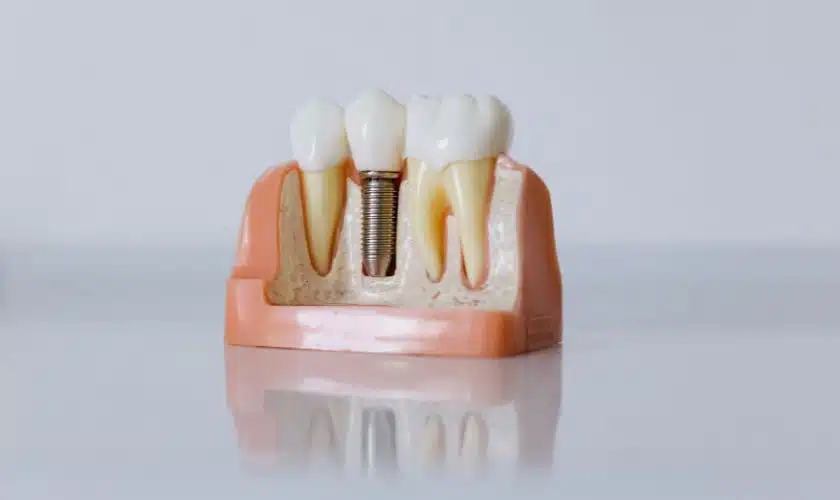
Before diving into the lifespan of dental implants, let’s first understand what they are and how they work. Dental implants are artificial tooth roots typically made of titanium, a biocompatible material that integrates well with the jawbone. These implants are surgically placed into the jawbone beneath the gum line, where they fuse with the bone through a process called osseointegration.
Once the implant has fully integrated with the jawbone, a connector called an abutment is attached to the implant. This abutment serves as a foundation for the artificial tooth, also known as a dental crown, which is custom-made to match the shape, size, and color of your natural teeth.
Factors Affecting Longevity
The lifespan of dental implants can vary from person to person and depends on several factors:
- Quality of Bone: The density and quality of the jawbone play a significant role in the success and longevity of dental implants. Sufficient bone volume is necessary to support the implant and withstand chewing forces.
- Oral Hygiene: Proper oral hygiene is crucial for the longevity of dental implants. Brushing, flossing, and regular dental check-ups help prevent gum disease and peri-implantitis, a condition that can lead to implant failure.
- Overall Health: Certain systemic conditions such as diabetes or autoimmune disorders can affect the body’s ability to heal properly, potentially impacting the success of dental implant surgery and its long-term stability.
- Smoking: Smoking is known to impair healing and increase the risk of complications after dental implant surgery. Smokers may experience a higher rate of implant failure compared to non-smokers.
- Implant Placement: The skill and experience of the oral surgeon performing the implant placement procedure can influence the success and longevity of the implants. Proper placement ensures optimal support and stability.
- Maintenance: Regular maintenance and follow-up care are essential for preserving the integrity of dental implants. Your dentist may recommend periodic examinations and cleanings to monitor the implants’ condition and address any issues promptly.
Longevity of Dental Implants
With proper care and maintenance, dental implants can last a lifetime for many patients. Studies have shown success rates of over 95% for dental implant procedures, with many implants lasting 20 years or more. Dental implants are considered one of the most durable and reliable tooth replacement options available today.
However, it’s essential to remember that individual experiences may vary, and not all dental implants will last indefinitely. Factors such as those mentioned above can influence the lifespan of implants and may necessitate replacement or restoration over time.
Replacing Dental Implants
In some cases, dental implants may need to be replaced or restored due to wear and tear, changes in the surrounding bone structure, or other factors. Fortunately, advancements in dental technology and techniques have made implant replacement procedures more efficient and predictable.
If a dental implant fails or becomes damaged, your dentist may recommend removing the implant and replacing it with a new one. In some cases, only the dental crown may need to be replaced, while the implant itself remains intact.
Dental implants offer a durable and long-lasting solution for tooth replacement, providing patients with a functional and natural-looking smile. With proper care and maintenance, dental implants can last a lifetime for many individuals, improving oral health and overall quality of life. If you’re considering dental implants in Imperial, be sure to consult with an experienced dentist to determine if you’re a suitable candidate and to discuss the potential lifespan of your implants. By understanding the factors that can affect implant longevity and taking proactive steps to maintain oral health, you can enjoy the benefits of dental implants for years to come. Book an appointment today to explore your options and take the first step toward a confident smile.