
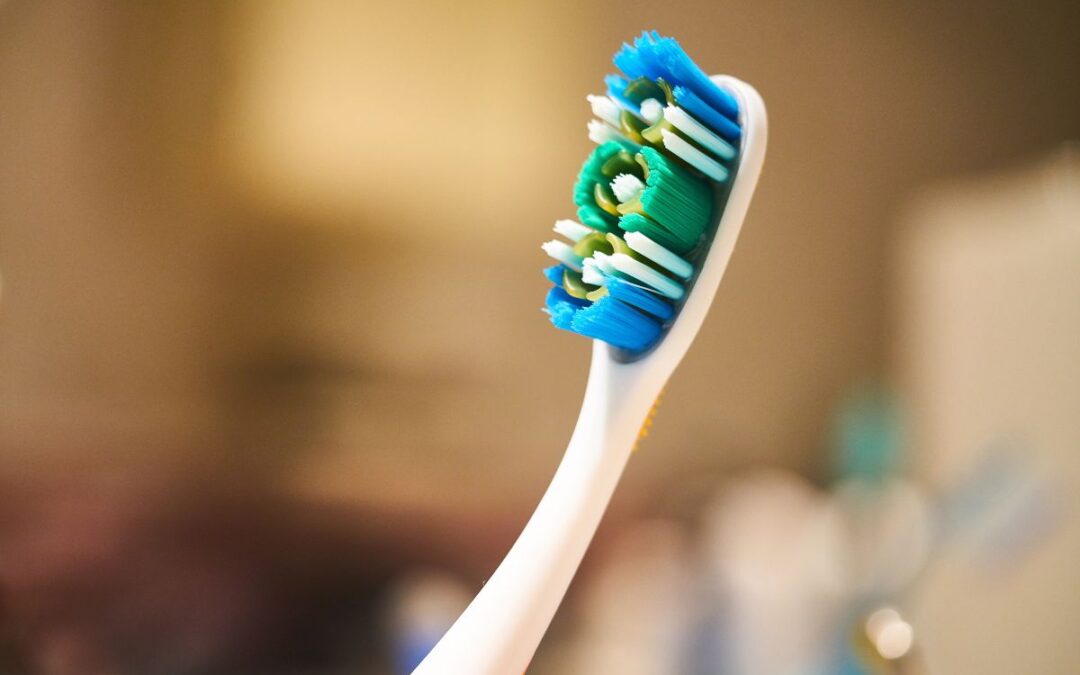
When it comes to maintaining good oral hygiene, one of the most basic yet crucial tools is your toothbrush. Understanding how long to use a toothbrush before replacing it can significantly impact your dental health. Here’s a comprehensive guide on when and why you should change your toothbrush regularly.
Importance of Regularly Changing Your Toothbrush
Regularly changing your toothbrush is essential for effective oral hygiene. Over time, toothbrush bristles can wear out, become frayed, and lose their effectiveness in cleaning your teeth and gums. Additionally, old toothbrushes can harbor bacteria, which may lead to oral health issues if not replaced promptly.
Signs It’s Time to Replace Your Toothbrush
- Bristle Condition: Check the condition of the bristles regularly. If they appear frayed, worn, or splayed, it’s time for a new toothbrush.
- Time Frame: Dental experts recommend replacing your toothbrush every 3 to 4 months. This interval ensures that your toothbrush remains effective in removing plaque and debris from your teeth.
- Illness: If you’ve been sick, particularly with an oral infection, replacing your toothbrush afterward is crucial to prevent re-infection or spreading of germs.
Environmental Impact of Toothbrush Replacement
While it’s important to replace your toothbrush regularly for optimal oral health, it’s also essential to consider the environmental impact. Opt for toothbrushes made from sustainable materials and explore recycling options for old toothbrushes to minimize waste.
Choosing the Right Toothbrush
Selecting a toothbrush that suits your dental needs is key to maintaining good oral hygiene. Whether you prefer manual or electric toothbrushes, ensure they have soft bristles to avoid damaging your gums and enamel.
Proper Toothbrush Care Tips
- Rinse After Use: Thoroughly rinse your toothbrush with water after each use to remove any remaining toothpaste and debris.
- Store Properly: Store your toothbrush in an upright position and allow it to air dry. Avoid storing it in closed containers or covering it, as this can promote bacterial growth.
- Avoid Sharing: To prevent the spread of germs, avoid sharing your toothbrush with others, even family members.
Knowing how long to use a toothbrush before replacing it is fundamental to maintaining optimal oral health. By following these guidelines and replacing your toothbrush every 3 to 4 months, you can ensure effective plaque removal and reduce the risk of oral health problems. Remember, consulting your family dentist in Imperial for personalized advice can further enhance your dental care routine.
By understanding the importance of regular toothbrush replacement and following proper oral hygiene practices, you can contribute to a healthier smile and overall well-being.