
Dental implants have revolutionized restorative dentistry, offering a durable and aesthetically pleasing solution for missing teeth. However, many patients wonder about the extent of replacement they can expect with this treatment. In this blog, we will explore how many teeth dental implants can replace, the different types of implant solutions available, and how these options might fit into your dental health plan.
Understanding Dental Implants
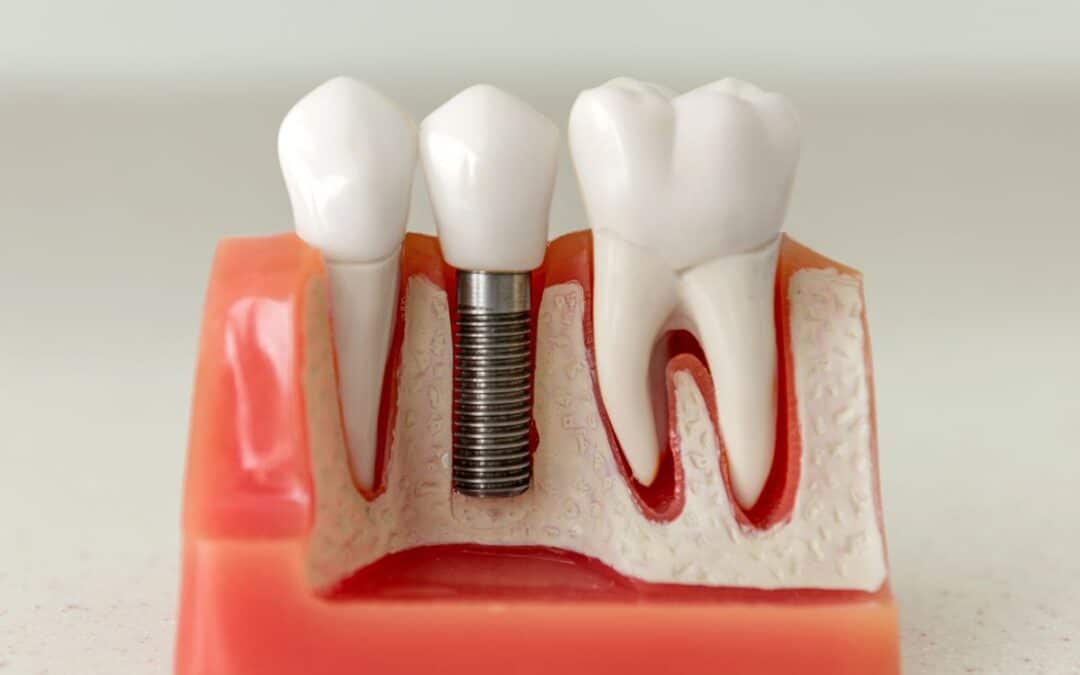
Before delving into how many teeth dental implants can replace, it’s essential to understand what a dental implant is and how it functions. A dental implant is a titanium post surgically placed into the jawbone to serve as a substitute for the root of a missing tooth. Once in place, the implant integrates with the bone in a process called osseointegration, creating a stable foundation for attaching replacement teeth.
Components of a Dental Implant
A dental implant typically consists of three main components:
- Implant Fixture: The titanium post that is embedded in the jawbone.
- Abutment: A connector piece that sits on top of the implant and holds the replacement tooth or teeth.
- Crown: The visible part of the implant that mimics the appearance and function of a natural tooth.
Types of Dental Implant Solutions
Dental implants are versatile and can be used to replace single teeth, multiple teeth, or even a full arch of teeth. The choice of solution depends on the number of missing teeth and the condition of your oral health.
Single Tooth Replacement
For a single missing tooth, a dental implant is a highly effective solution. The implant is placed into the jawbone, and a single crown is attached to it, restoring both function and aesthetics. This approach is ideal for patients who have lost only one tooth and wish to avoid altering adjacent teeth.
Multiple Tooth Replacement
When several teeth are missing, there are two primary implant solutions:
- Implant-Supported Bridges: If two or more adjacent teeth are missing, implants can be placed at the ends of the gap. A bridge is then attached to these implants, filling the space and restoring the function and appearance of multiple teeth. This method often requires fewer implants than the number of teeth being replaced.
- Implant-Retained Dentures: For patients missing several teeth across a larger section of their mouth, implant-retained dentures offer a practical solution. This approach involves placing multiple implants in strategic locations in the jaw. A denture is then secured to these implants, providing stability and comfort that traditional dentures cannot match.
Full Arch Replacement
For those who have lost all their teeth in one or both jaws, full arch replacement is possible using dental implants. Two main methods are used:
- All-on-4® or All-on-6® Implants: This technique involves placing four or six implants in the jawbone to support a full arch of teeth. The implants are strategically positioned to maximize the use of available bone and provide a stable foundation for a complete set of prosthetic teeth. This method is often favored for its efficiency and effectiveness.
- Implant-Supported Full Dentures: An alternative to the All-on-4® or All-on-6® approach, implant-supported full dentures involve placing multiple implants to support a complete denture. This solution offers the same benefits of stability and comfort but may involve a different distribution of implants depending on the patient’s bone structure.
Factors Affecting the Number of Implants
Several factors influence how many implants are needed, including the quality and quantity of jawbone, the location of the missing teeth, and the patient’s overall oral health.
Bone Density and Quantity
The amount of available bone plays a crucial role in determining the number of implants needed. Patients with significant bone loss may require bone grafting procedures before implants can be placed. A thorough evaluation by your dentist will help determine the best approach based on your bone structure.
Implant Placement and Positioning
The positioning of implants affects their ability to support multiple teeth. In some cases, advanced imaging techniques such as 3D scans are used to plan the precise placement of implants to ensure optimal support for the replacement teeth.
Patient-Specific Considerations
Each patient’s needs and preferences vary. Factors such as personal comfort, lifestyle, and budget will influence the type of implant solution chosen. A consultation with a skilled dentist can help determine the best treatment plan tailored to your situation.
Benefits of Dental Implants
Dental implants offer numerous benefits over other tooth replacement options, including:
- Durability: Implants are designed to last many years, often a lifetime with proper care.
- Functionality: They provide a stable and functional replacement that closely mimics natural teeth.
- Aesthetics: Implants look and feel like natural teeth, enhancing both appearance and self-confidence.
- Bone Health: Implants help maintain jawbone density and prevent bone loss, which can occur with missing teeth.
Conclusion
Dental implants are a versatile and effective solution for replacing missing teeth, offering options for single, multiple, or full arch replacements. The number of implants required depends on various factors, including the condition of your jawbone, the number of missing teeth, and your specific needs. By consulting with an experienced dentist, you can determine the best dental implant treatment for your situation.
If you are considering dental implants in Imperial, consult with a local expert to discuss your options and develop a personalized treatment plan that meets your needs.