
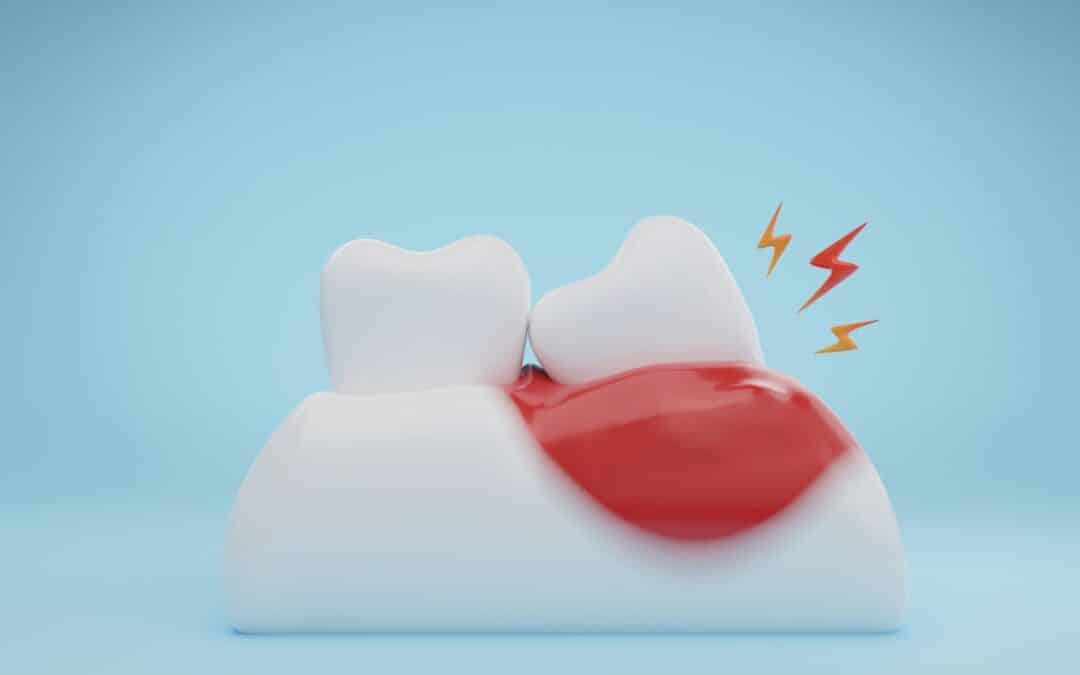
Recovering from wisdom teeth removal can be a challenging process, but with the right care, the healing period can be shortened and made more comfortable. If you’ve recently had your wisdom teeth extracted, you might be wondering how to speed up the recovery process. Here are some tips and strategies to help you heal faster and minimize discomfort.
1. Follow Your Dentist’s Aftercare Instructions
The first and most important step in speeding up recovery is to follow the aftercare instructions provided by your dentist or oral surgeon. These guidelines are tailored to your specific situation and will give you the best chance of healing quickly. Common recommendations include:
- Taking prescribed medications for pain and swelling.
- Avoiding vigorous activity or any movement that could disturb the healing site.
- Not touching or disturbing the surgical site.
Proper care in the early stages of recovery will set the foundation for a faster healing process.
2. Manage Swelling and Pain
Swelling and pain are common after wisdom teeth removal, but they can be minimized with the right approach:
Apply Ice Packs
For the first 48 hours after surgery, applying ice packs to the sides of your face can help reduce swelling. Apply an ice pack for 15-20 minutes at a time, taking breaks in between. This helps keep swelling under control and provides relief from discomfort.
Use Pain Medication as Directed
Over-the-counter pain relievers like ibuprofen or acetaminophen can help manage discomfort. If your dentist has prescribed stronger medications, be sure to take them as directed. Following the pain management plan can prevent unnecessary pain and help you stay comfortable as you recover.
3. Stick to Soft Foods
Your diet plays a crucial role in the recovery process. In the days following your wisdom teeth extraction, it’s important to eat soft, easy-to-chew foods that won’t irritate the healing area. Some good options include:
- Mashed potatoes
- Yogurt
- Smoothies
- Soup (without chunks)
- Scrambled eggs
Avoid hard, crunchy, or chewy foods that could disturb the surgical sites or cause pain. Also, steer clear of spicy or acidic foods that might irritate the extraction sites.
4. Keep Your Mouth Clean
Maintaining good oral hygiene is essential to prevent infection and promote healing. However, you’ll need to be gentle while cleaning your mouth to avoid disturbing the extraction sites.
Brush Gently
You can brush your teeth, but avoid the areas where your wisdom teeth were removed for the first few days. Be gentle when brushing, and use a soft-bristled toothbrush to avoid irritation. After a few days, you can resume regular brushing.
Use Saltwater Rinses
Rinsing your mouth with warm saltwater helps to keep your mouth clean and promotes healing. Start saltwater rinses 24 hours after surgery, and rinse gently to avoid disturbing the clot that forms over the extraction site. This can help reduce bacteria and promote a faster recovery.
5. Stay Hydrated
Drinking plenty of water is essential during your recovery. Staying hydrated promotes healing and helps keep your body functioning properly. It’s important to avoid using a straw during the first few days after surgery, as sucking can dislodge the blood clot and cause a painful condition known as dry socket. Instead, sip from a glass or cup.
6. Rest and Take It Easy
Rest is critical for recovery. Avoid strenuous activities such as exercise or lifting heavy objects for at least the first few days after surgery. Physical activity can increase blood pressure and lead to more swelling or discomfort. Take it easy and let your body heal naturally.
7. Avoid Smoking and Alcohol
Both smoking and alcohol can interfere with the healing process. Smoking restricts blood flow and can increase the risk of infection, while alcohol can delay healing and cause irritation to the extraction sites. To speed up recovery, avoid smoking and drinking alcohol for at least a few days, if not longer.
8. Use a Pillow to Elevate Your Head
While sleeping, try to keep your head elevated with a pillow to minimize swelling. Sleeping with your head propped up helps reduce the chances of swelling increasing, and it can help you rest more comfortably. Avoid lying flat on your back during the first few nights.
Conclusion
Speeding up your wisdom teeth recovery involves a combination of following your dentist’s advice, managing pain and swelling, eating the right foods, maintaining oral hygiene, and getting plenty of rest. While recovery times can vary from person to person, these tips should help you heal faster and more comfortably. Always reach out to your dentist if you experience any unusual pain or complications.