
Are you considering dental implant surgery to replace missing teeth? While this procedure is a great option for restoring your smile and improving your oral health, there are also potential side effects that patients need to be aware of. From pain and swelling to infection and nerve damage, it’s important to understand the risks before going under the knife. In this blog post, we’ll explore some common side effects of dental implant surgery and how you can minimize them for a successful outcome. So let’s get started!
Dental Implant Surgery – An Overview
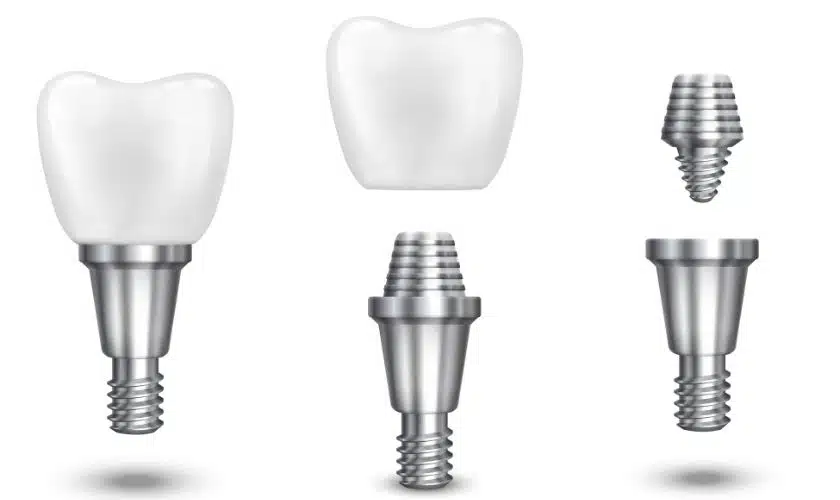
Dental implant surgery is a procedure that replaces missing or damaged teeth with artificial ones. It involves the placement of a metal post into the jawbone, which serves as an anchor for the replacement tooth. The process of dental implant surgery typically requires multiple appointments and can take several months to complete.
During the first appointment, your dentist will examine your mouth and determine if you are a good candidate for dental implants. They will also take X-rays and impressions of your teeth to create a custom treatment plan.
The second appointment involves placing the metal post into your jawbone. This process requires local anesthesia to numb the area around where the post will be inserted.
After this initial procedure, there is usually a healing period that lasts several weeks while your body fuses with the implant (called osseointegration – forming a strong foundation for your new tooth or teeth.)
Once fully healed, you’ll return to have an abutment fitted onto each implanted post (this connects it to its final restoration). In addition, they make an impression in order to fabricate what’s known as “the crown,” – is either a permanent or temporary prosthetic tooth/teeth attached securely onto these abutments in order to restore full function and aesthetics.
Dental implant surgery is generally considered safe, but like any other surgical procedure, it carries some risk. Keep reading our blog section on “Side Effects of Dental Implant Surgery One Needs to Be Careful About” so you know exactly what risks may arise after having this type of dental work done!
The Side Effects Of Dental Implant Surgery
Dental implant surgery is a major procedure that involves placing artificial tooth roots in the jawbone to support replacement teeth. While it is a highly effective and safe method of restoring missing or damaged teeth, there are some side effects associated with the procedure.
One common side effect of dental implant surgery is pain and discomfort. The patient may experience mild to moderate pain around the site of the implant for several days after the procedure. This can be managed with over-the-counter pain medication prescribed by your dentist.
Another possible side effect is swelling and bruising around the area where the implant was placed. This usually subsides within a few days of surgery but can last up to two weeks in some cases.
In rare cases, complications following dental implant surgery may occur, such as infection or nerve damage. It’s essential to report any unusual symptoms or signs of infection promptly to your dentist.
It’s also important to note that smoking and poor oral hygiene can increase your risk of experiencing these side effects post-surgery. To prevent these issues from occurring, make sure you practice good oral hygiene habits before and after dental implant surgery.
While there are potential side effects associated with dental implants, they are generally minor and resolve quickly with proper care and attention from your dentist.
How To Avoid The Side Effects Of Dental Implant Surgery
To avoid the potential side effects of dental implant surgery, it is important to follow certain guidelines and take specific precautions. First and foremost, carefully choose a qualified and experienced oral surgeon who has a good track record of performing successful dental implant procedures.
Before the procedure, make sure to inform your dentist of any pre-existing medical conditions or medications you are taking that may interfere with the healing process. It is also essential to maintain good oral hygiene by brushing your teeth regularly and flossing daily.
During the recovery period after surgery, be gentle with your mouth while eating or cleaning your teeth. Avoid chewing on hard foods or using tobacco products, as they can cause inflammation and infection. Additionally, refrain from drinking alcohol for at least 24 hours following the procedure, as it can interfere with blood clotting.
Closely follow all post-operative instructions provided by your dentist, including taking prescribed antibiotics or pain relievers if necessary. Attend all scheduled follow-up appointments so that any complications can be detected early on.
By adhering to these guidelines before and after dental implant surgery, patients can significantly reduce their risk of experiencing the side effects associated with this type of procedure.
Conclusion
Dental implant surgery is a common and effective procedure for restoring missing teeth. However, as with any surgical procedure, there are potential side effects that one needs to be aware of before undergoing the surgery.
Some of the most common side effects include swelling, pain, bleeding, or infection at the implant site. It’s important to follow all post-operative instructions given by your dentist to minimize these risks.
By choosing an experienced and qualified dental professional and following proper aftercare instructions, you can significantly reduce your risk for complications during the recovery period. With diligent care and maintenance of your new implants, over time they will become a permanent part of your smile, giving you years of function and confidence in your appearance.