
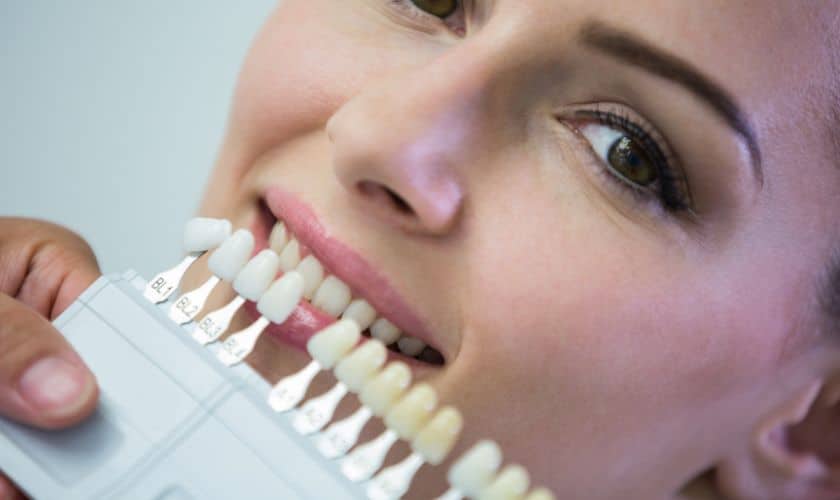
Do you often find yourself contemplating the best method to improve your smile? Whether it’s due to chipped, discolored, or unshaped teeth – veneers and crowns are two popular solutions that can help transform your grin. However, with each option having its own unique benefits and drawbacks, deciding which one is right for you can be overwhelming. That’s why we’ve created this comprehensive guide comparing veneers versus crowns so that you can make an informed decision on the best choice for your pearly whites. So sit back, relax, and let us take you through everything there is to know about these cosmetic dental procedures!
What Are Veneers?
Veneers are a popular cosmetic dental treatment that can transform the appearance of your teeth. They are thin, custom-made shells designed to cover the front surface of the teeth and improve their shape, size, color, or alignment. Veneers are typically made from porcelain or composite resin materials and are bonded to the tooth using a strong adhesive.
Porcelain veneers offer superior durability and resistance to staining compared to composite veneers but may require more preparation of the natural tooth structure. Composite veneers, on the other hand, can be directly applied onto the tooth without removing much enamel but may not last as long.
The process for getting veneers involves several steps including an initial consultation with your dentist to discuss your goals and expectations. Your dentist will then prepare your teeth by removing a small amount of enamel before taking impressions of your teeth. The impressions will be sent off to a dental laboratory where they will create custom-fit veneers specifically for you.
Once ready, your dentist will bond them in place using a special bonding agent under high-pressure light curing which is quick and painless!
What Are Crowns?
Crowns, also known as dental caps, are tooth-shaped prosthetics designed to cover and protect damaged teeth. Crowns can be used for a variety of purposes such as restoring cracked or broken teeth, protecting weak teeth from further damage, covering discolored or misshapen teeth, and supporting bridges.
Crowns can be made from different materials such as porcelain, ceramic, metal alloy, or a combination of these materials. Porcelain crowns are popular because they closely resemble the natural appearance of teeth.
The process of getting a crown typically involves two visits to the dentist’s office. During the first visit, the affected tooth will be prepared by removing any decayed or damaged parts and reshaping it to accommodate the crown. An impression will then be taken to create an accurate model of your mouth that will guide you in creating your custom-made crown.
On your second visit, your dentist will place and adjust your new crown making sure it fits well with your bite and feels comfortable inside your mouth.
Crowns are an effective solution for improving both function and aesthetics when dealing with severely damaged or compromised teeth.
What Are The Differences Between Veneers And Crowns?
Veneers and crowns are both popular solutions for restoring the appearance of damaged teeth. However, they differ in several ways.
Veneers are thin shells that cover only the front surface of a tooth. They’re made from porcelain or composite resin and can improve the look of discolored, chipped, or irregularly shaped teeth. Veneers require minimal removal of healthy tooth structure but may not be suitable for more extensive damage or decay.
Crowns, on the other hand, completely encase a damaged tooth above the gum line. They’re typically made from ceramic or metal materials and offer greater durability than veneers. Crowns can be used to restore severely decayed, broken, or weakened teeth.
Another significant difference between veneers and crowns is their lifespan. While veneers can last up to 15 years with proper care, crowns can last over 20 years with good oral hygiene practices.
Ultimately, deciding which option is best for you depends on your specific dental needs and goals. Your dentist will consider factors such as cost, longevity, and level of invasiveness before recommending one treatment over another.
Which Is The Best Option For Your Teeth?
Choosing between veneers and crowns depends on the individual’s dental needs. If you have minor cosmetic issues such as discoloration, small chips, or gaps, then veneers may be the best option for you. Veneers are less invasive compared to crowns because they require little to no removal of your natural teeth.
However, if your tooth is severely damaged due to decay or has a large chip/crack, then a crown would be ideal. Crowns provide more structural support and protection for weakened teeth and help prevent further damage from occurring.
Another important consideration is cost; veneers tend to be less expensive than crowns but can last up to 10-15 years with proper care while crowns can last up to 25 years or more.
Ultimately, the decision between veneers and crowns should be made after consulting with a professional dentist who can evaluate your specific oral health needs.
Summary
To summarize, veneers and crowns are both effective dental solutions that can restore the appearance and function of damaged teeth. However, they have different applications and results depending on the extent of tooth damage.
Veneers are best for improving minor cosmetic issues such as stains or chips on the front teeth, while crowns are more suitable for restoring severely decayed or fractured teeth. With proper care and maintenance, both veneers and crowns can last a long time.
If you’re still unsure which option is right for you, consult with your dentist who will evaluate your specific needs to recommend the most appropriate treatment plan. Ultimately, choosing between veneers and crowns depends on your unique situation and desired outcome.
Remember that taking good care of your oral health through regular brushing, flossing, and dental checkups is key to preventing future damage to your teeth. By doing so, you can ensure a healthy smile that lasts a lifetime!