
Oral cancer, also known as mouth cancer, refers to a group of cancers that develop in the tissues of your mouth and throat. While not as common as some other cancers, early detection is crucial for successful treatment. The good news is that many oral cancers present with noticeable warning signs in the early stages.
This guide will equip you with the knowledge to recognize potential signs of oral cancer and the importance of scheduling regular checkups with your dentist.
Risk Factors for Oral Cancer
Certain factors can increase your risk of developing oral cancer. Here are some of the most common:
- Tobacco Use: Tobacco use, including cigarettes, cigars, chewing tobacco, and snuff, is a significant risk factor for oral cancer.
- Heavy Alcohol Consumption: Excessive alcohol consumption, particularly when combined with tobacco use, greatly increases the risk of oral cancer.
- Human Papillomavirus (HPV): Certain strains of HPV, particularly HPV16 and HPV18, have been linked to an increased risk of oropharyngeal cancer, a type of head and neck cancer that affects the tonsils and the back of the throat.
- Sun Exposure: While less common, excessive sun exposure can increase the risk of lip cancer.
- A Weakened Immune System: Individuals with weakened immune systems due to conditions like HIV/AIDS or undergoing organ transplant medications may be at a higher risk.
Early Warning Signs of Oral Cancer
Be aware of these potential warning signs of oral cancer and seek professional evaluation from a dentist in Imperial if you experience any of them for more than two weeks:
- Mouth Sores: A persistent sore, irritation, or ulcer in your mouth or on your tongue that doesn’t heal can be a sign of oral cancer.
- White or Red Patches: Leukoplakia (white patches) and erythroplakia (red patches) developing on the tongue, gums, or inner cheeks can be potential indicators.
- Swelling in the Mouth or Neck: A lump or swelling in your cheek, jaw, or neck, particularly without any apparent cause, should be examined by a dentist.
- Difficulty Swallowing or Chewing: Oral cancer can sometimes cause pain or difficulty when swallowing or chewing.
- Changes in Speech: Hoarseness, voice changes, or difficulty speaking clearly can be warning signs.
- Loose Teeth or Jaw Pain: Looseness of teeth or persistent jaw pain that doesn’t have a dental explanation may require investigation.
- Numbness in the Mouth: A persistent feeling of numbness in your tongue or other areas of your mouth can be a cause for concern.
- Unexplained Weight Loss: Sudden or unexplained weight loss can be associated with various conditions, including oral cancer.
The Importance of Early Detection
Early detection of oral cancer is critical for successful treatment. Oral cancer detected in its early stages has a much higher cure rate. Regular dental checkups, including oral cancer screenings, are essential for early detection. During screening, your dentist in Imperial will visually and manually examine your mouth, throat, and neck for any abnormalities.
The Role of Your Dentist in Early Detection
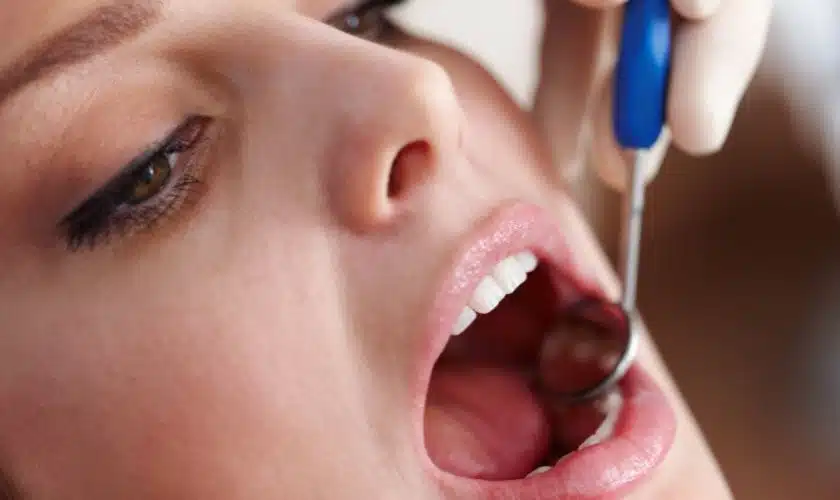
Regular dental visits are a crucial part of maintaining good oral health and detecting potential problems early on. During your routine checkup, your dentist in Imperial will perform a thorough examination of your mouth, including an oral cancer screening. This screening may involve:
- Visual Examination: The dentist will visually inspect your lips, tongue, cheeks, gums, throat, and the roof and floor of your mouth for any changes in color, texture, or the presence of lesions.
- Manual Palpation: The dentist will gently feel your cheeks, jaw, and neck for any lumps or swelling.
If your dentist notices any concerning signs during the screening, they may recommend further tests such as biopsies or imaging scans to determine the cause.
When to See a Dentist
If you experience any of the warning signs of oral cancer for more than two weeks, don’t hesitate to schedule an appointment with your dentist in Imperial. Early detection and diagnosis are key to successful treatment.
Oral cancer is a serious condition, but with early detection and treatment, the prognosis can be very good. Being aware of the risk factors and warning signs and scheduling regular checkups with your dentist in Imperial are the best ways to protect yourself. If you have any questions or concerns about oral cancer, discuss them with your dentist during your next appointment.