
Maintaining oral hygiene is crucial for overall health, and one of the most fundamental tools for this is your toothbrush. However, many people often overlook the importance of replacing their toothbrush regularly. Knowing when to change your toothbrush can help prevent oral health issues and keep your smile bright. In this blog, we will explore the signs that indicate it’s time to get a new toothbrush and why regular replacement is essential for good oral hygiene.
The Recommended Frequency for Changing Your Toothbrush
Dental professionals typically recommend changing your toothbrush every three to four months. This timeline is based on the average lifespan of a toothbrush’s bristles, which tend to wear out and become less effective at cleaning your teeth over time.
Factors Affecting Toothbrush Lifespan
While the general recommendation is every three to four months, several factors can influence the actual lifespan of your toothbrush:
- Brushing Habits: If you brush your teeth more than twice a day, your toothbrush will wear out more quickly.
- Brushing Style: Aggressive brushing can cause bristles to fray faster.
- Toothbrush Quality: Higher-quality toothbrushes may last longer, but they should still be replaced regularly.
Signs That It’s Time to Replace Your Toothbrush
Even with general guidelines, it’s essential to pay attention to the condition of your toothbrush. Here are some signs that indicate it’s time for a new one:
Frayed or Worn Bristles
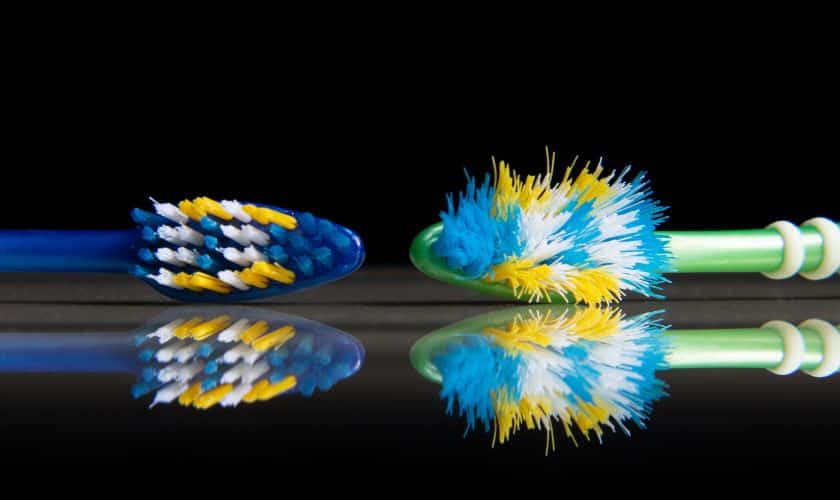
One of the most obvious signs that you need a new toothbrush is when the bristles start to fray or look worn out. Frayed bristles are less effective at cleaning teeth and gums and can lead to ineffective brushing.
Discoloration
If your toothbrush bristles become discolored, it’s a good indicator that it’s time for a replacement. Discoloration can result from toothpaste, food particles, and other debris that accumulate over time.
Recent Illness
After being sick, it’s advisable to change your toothbrush. Germs and bacteria from an illness can linger on your toothbrush and potentially cause reinfection or spread to other family members.
Unpleasant Odor
An unpleasant smell coming from your toothbrush is a clear sign that it’s harboring bacteria and needs to be replaced.
The Importance of Regular Toothbrush Replacement
Changing your toothbrush regularly is not just about keeping your teeth clean; it’s also about maintaining overall oral health. Here’s why it’s so important:
Preventing Bacteria Build-Up
Over time, bacteria can build up on the bristles of your toothbrush. Regularly changing your toothbrush helps reduce the risk of bacterial growth, which can lead to infections or other oral health issues.
Ensuring Effective Cleaning
Worn-out bristles are less effective at removing plaque and food particles from your teeth. By replacing your toothbrush regularly, you ensure that you are getting the best possible clean every time you brush.
Maintaining Gum Health
Frayed and worn bristles can be harsh on your gums, potentially leading to irritation or even gum recession. A fresh toothbrush with intact bristles is gentler on your gums and helps maintain their health.
Tips for Proper Toothbrush Care
In addition to changing your toothbrush regularly, proper care can help extend its lifespan and maintain its effectiveness. Here are some tips:
Rinse Thoroughly
After each use, rinse your toothbrush thoroughly with tap water to remove any remaining toothpaste and debris.
Store Upright
Store your toothbrush in an upright position and allow it to air dry. Avoid keeping it in a closed container, as this can create a moist environment where bacteria thrive.
Keep It Separate
If you store multiple toothbrushes in the same holder, try to keep them from touching to prevent cross-contamination.
Replace After Illness
As mentioned earlier, replace your toothbrush after you’ve been sick to avoid reintroducing bacteria and viruses into your mouth.
Special Considerations for Different Types of Toothbrushes
Whether you use a manual or an electric toothbrush, the guidelines for replacement remain similar, but there are a few additional considerations:
Manual Toothbrushes
For manual toothbrushes, inspect the bristles regularly. If they show signs of wear before the three-month mark, replace the toothbrush sooner.
Electric Toothbrushes
For electric toothbrushes, replace the brush head every three to four months, or sooner if the bristles become worn. Electric brush heads can be more expensive, but they are crucial for maintaining effective cleaning.
Why Family Dentistry Recommends Regular Toothbrush Replacement
At Family Dentistry in Imperial, we emphasize the importance of regular toothbrush replacement as part of a comprehensive oral hygiene routine. Here’s why we recommend it:
Customized Advice
Every patient is unique, and we provide personalized advice based on your specific oral health needs. Regularly changing your toothbrush is a small step that can make a big difference in your overall dental care.
Preventive Care
Family Dentistry in Imperial focuses on preventive care to help our patients avoid more serious dental issues. Regular toothbrush replacement is a simple yet effective preventive measure.
Promoting Good Habits
By encouraging regular toothbrush replacement, Family Dentistry in Imperial helps promote good oral hygiene habits among our patients. This practice contributes to healthier teeth and gums and better overall health.
Regularly changing your toothbrush is a fundamental aspect of maintaining good oral hygiene. By paying attention to the condition of your toothbrush and replacing it every three to four months, or sooner if needed, you can ensure effective cleaning and reduce the risk of oral health issues. At Family Dentistry in Imperial, we are committed to helping you achieve optimal dental health through comprehensive care and personalized advice. Remember, a small change like replacing your toothbrush regularly can have a significant impact on your oral hygiene and overall well-being.