
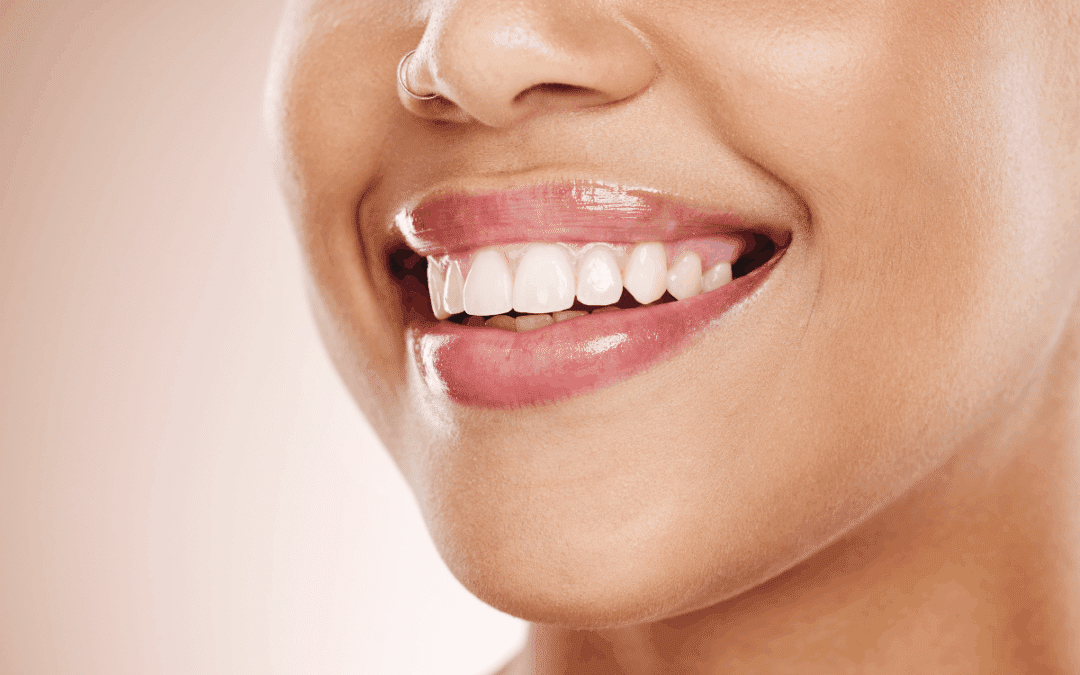
Living in Imperial means enjoying local events, warm weather, and everyday moments with family and friends. While it’s easy to focus on your overall health, changes in your smile—like white spots on your teeth—can sometimes go unnoticed. These spots may look minor, but in some cases, they can signal early enamel changes that shouldn’t be ignored.
In this blog, we explain what white spots on teeth mean, whether they indicate enamel loss, and how cosmetic dentistry can help protect and enhance your smile.
What Are White Spots on Teeth?
White spots appear as lighter patches on the surface of your teeth. They usually develop when minerals are lost from the enamel, the strong outer layer that protects your teeth from decay and sensitivity. This process is called demineralization.
Dry mouth, dehydration, plaque buildup, and dietary habits can all affect enamel health. In warmer climates, staying hydrated is especially important because saliva plays a critical role in strengthening enamel and neutralizing acids.
Do White Spots Always Mean Enamel Loss?
Not every white spot means permanent enamel damage, but they often indicate an imbalance in enamel minerals. Common causes include:
Fluorosis
Fluorosis develops when too much fluoride is consumed during childhood while teeth are forming. It typically appears as mild white streaks or patches and does not usually indicate active enamel erosion.
Plaque Accumulation
Poor oral hygiene allows plaque to sit on teeth for extended periods. Plaque produces acids that weaken enamel, leading to white spot formation if left untreated.
Acidic Foods and Beverages
Frequent consumption of acidic foods and drinks—such as soda, citrus fruits, and sports drinks—can gradually wear down enamel. As enamel weakens, white spots may become more noticeable.
Dry Mouth or Dehydration
Saliva helps wash away bacteria and restore minerals to the enamel. Reduced saliva flow increases the risk of demineralization and enamel erosion.
How Can White Spots Be Prevented or Treated?
Precision Dental Care and Sleep Solutions offers comprehensive options to help patients maintain strong enamel and improve the appearance of white spots. Preventive and cosmetic solutions may include:
- Consistent oral hygiene: Brushing twice daily with fluoride toothpaste and flossing regularly helps reduce plaque buildup.
- Dietary awareness: Limiting acidic foods and drinks protects enamel from ongoing erosion.
- Proper hydration: Drinking enough water supports saliva production and enamel remineralization.
- Cosmetic dentistry treatments: Professional remineralization therapies, fluoride treatments, or whitening options can help
improve enamel strength and restore a more uniform smile.
Patients seeking cosmetic dentistry Imperial services often benefit from personalized treatment plans designed to protect enamel while enhancing overall smile aesthetics.
Why Early Care Matters
White spots are often an early warning sign of enamel imbalance. Addressing them early can help prevent cavities, sensitivity, and more extensive dental treatments in the future. With professional care, enamel can often be strengthened before permanent damage occurs.
Protect Your Smile Today
If you’ve noticed white spots on your teeth, early evaluation is key. With the right preventive care and cosmetic dentistry solutions, you can protect your enamel and maintain a confident, healthy smile. Schedule a consultation today to learn how professional dental care can help restore and preserve your smile.
Frequently Asked Questions
What causes white spots on teeth?
White spots can be caused by plaque buildup, acidic foods and drinks, dry mouth, dehydration, or excess fluoride exposure during childhood.
Are white spots permanent?
Not always. Many white spots can be improved or reversed with early treatment, remineralization therapies, and professional dental care.
Do white spots mean I have cavities?
White spots are often an early sign of enamel weakening, but they are not cavities. If untreated, however, they can progress into decay.
How can cosmetic dentistry help with white spots?
Cosmetic dentistry treatments can strengthen enamel, reduce discoloration, and improve the overall appearance of your smile.
When should I see a dentist?
If you notice white spots or changes in your enamel, it’s best to schedule a dental visit as soon as possible to prevent further damage.