
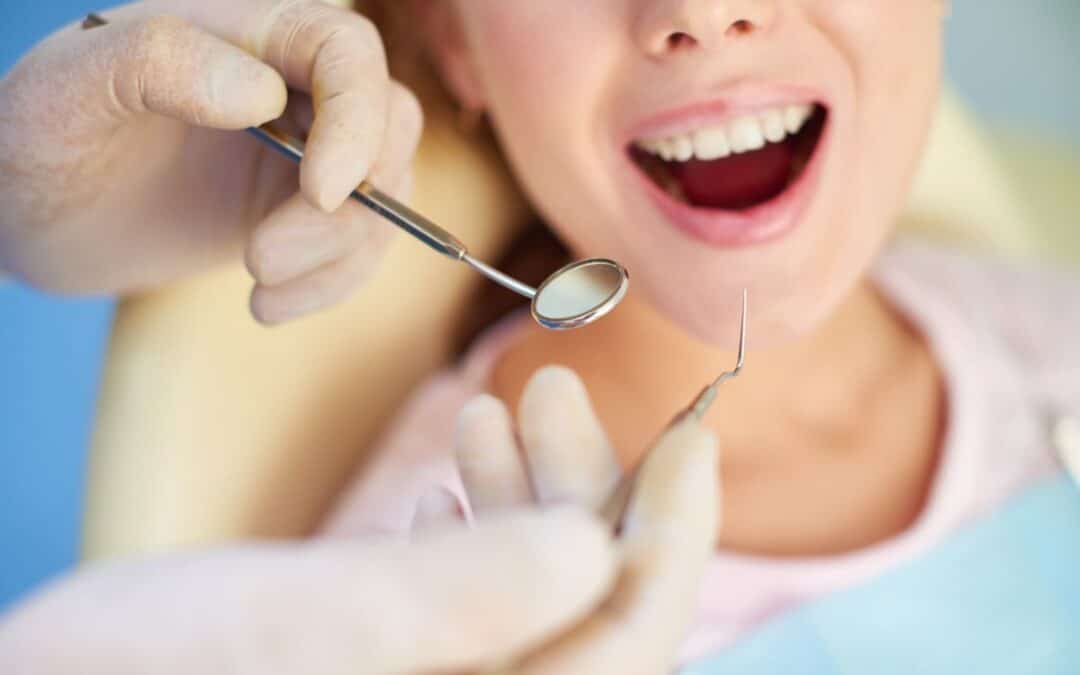
Preventive health care plays a crucial role in maintaining overall well-being and avoiding more serious health issues down the line. By focusing on preventive measures, individuals can enhance their quality of life and reduce the likelihood of experiencing serious health conditions. This approach is particularly relevant in the field of dentistry, where preventive care can significantly impact long-term oral health.
Benefits of Preventive Health Care
Preventive health care encompasses a range of activities and strategies designed to prevent illness before it occurs. This proactive approach offers numerous benefits, including:
1. Early Detection of Health Issues
One of the primary advantages of preventive health care is the early detection of potential health problems. Regular check-ups, screenings, and assessments can identify issues before they become more severe. For instance, routine dental visits at family dentist can uncover early signs of dental problems, such as cavities or gum disease, that might otherwise go unnoticed until they cause significant discomfort or require more complex treatment.
2. Reduced Risk of Chronic Diseases
Engaging in preventive health care can lower the risk of developing chronic diseases. By adopting healthy lifestyle habits and receiving regular medical evaluations, individuals can manage risk factors associated with conditions like diabetes, heart disease, and hypertension. In the context of dental health, preventive care practices such as brushing, flossing, and professional cleanings at family dentists can help prevent tooth decay and gum disease, both of which are linked to broader health issues.
3. Cost Savings
Preventive health care can lead to significant cost savings over time. By addressing health issues early and preventing more severe conditions, individuals can avoid costly treatments and hospitalizations. Regular dental visits at family dentists, for example, can prevent the need for expensive restorative procedures by maintaining oral health through routine cleanings and examinations.
Key Components of Preventive Health Care
Preventive health care involves various strategies and practices that contribute to overall well-being. These components include:
1. Routine Screenings and Check-Ups
Routine screenings and check-ups are essential for identifying health issues before they escalate. For example, regular visits to the family dentist allow for early detection of dental issues such as cavities, oral cancer, and gum disease. Similarly, general health check-ups can detect conditions like high blood pressure or cholesterol imbalances early on.
2. Vaccinations
Vaccinations play a critical role in preventing infectious diseases. By staying up-to-date with recommended vaccines, individuals can protect themselves and others from a range of illnesses. While vaccines are more commonly associated with general health, dental vaccinations, such as those for preventing infections related to dental procedures, are also important aspects of preventive care.
3. Healthy Lifestyle Choices
Adopting healthy lifestyle choices is a cornerstone of preventive health care. This includes maintaining a balanced diet, engaging in regular physical activity, and avoiding harmful habits such as smoking. In terms of dental health, a nutritious diet rich in vitamins and minerals supports strong teeth and gums, while avoiding sugary foods can prevent tooth decay. Regular visits to a family dentist can reinforce these habits and provide personalized advice on maintaining oral health.
Preventive Health Care in Dentistry
Preventive health care is particularly significant in the field of dentistry, where small issues can quickly become more complex if left untreated. Key preventive practices in dentistry include:
1. Regular Dental Cleanings
Regular dental cleanings are a fundamental aspect of preventive care. These cleanings remove plaque and tartar buildup that can lead to cavities and gum disease. Visiting family dentists for professional cleanings ensures that oral health is maintained and any potential issues are addressed promptly.
2. Fluoride Treatments
Fluoride treatments help strengthen tooth enamel and make it more resistant to decay. This preventive measure is often provided during routine dental visits and is particularly beneficial for children, who are more susceptible to cavities. Incorporating fluoride treatments into your dental care routine at a family dentist can help protect against tooth decay.
3. Sealants
Dental sealants are thin, protective coatings applied to the chewing surfaces of the back teeth. They act as a barrier to prevent decay-causing bacteria from settling into the grooves of the teeth. Sealants are especially useful for children and adolescents, and applying them during visits to a family dentist in Imperial can significantly reduce the risk of cavities.
The Role of Preventive Health Care in Overall Well-Being
Preventive health care is not limited to dental health but encompasses a holistic approach to maintaining well-being. By integrating preventive practices into daily life, individuals can improve their quality of life and reduce the incidence of serious health issues.
1. Enhanced Quality of Life
Preventive health care contributes to an enhanced quality of life by preventing illness and promoting overall health. Regular dental check-ups and good oral hygiene practices contribute to a healthier mouth, which can have positive effects on overall health and self-esteem. Maintaining regular visits to a family dentist in Imperial supports not only oral health but also contributes to a more vibrant and fulfilling life.
2. Empowerment Through Education
Preventive health care often involves education about healthy practices and lifestyle choices. For example, family dentistry in Imperial can provide valuable information on proper brushing techniques, dietary choices, and the importance of routine dental visits. This education empowers individuals to take charge of their health and make informed decisions that benefit their long-term well-being.
3. Strengthening Community Health
When individuals engage in preventive health care, it contributes to the overall health of the community. By reducing the prevalence of preventable diseases and promoting healthy habits, preventive care fosters a healthier environment for everyone. Community initiatives, including those supported by family dentists, can play a vital role in improving public health outcomes.
In conclusion, preventive health care is a crucial aspect of maintaining overall well-being and avoiding more serious health issues. By prioritizing regular check-ups, screenings, and healthy lifestyle choices, individuals can enjoy a higher quality of life and reduce the risk of chronic diseases. In the realm of dentistry, preventive practices are essential for preserving oral health and preventing more severe conditions. Embracing preventive health care, including regular visits to family dentistry in Imperial, is a proactive approach that benefits both individuals and the broader community.