
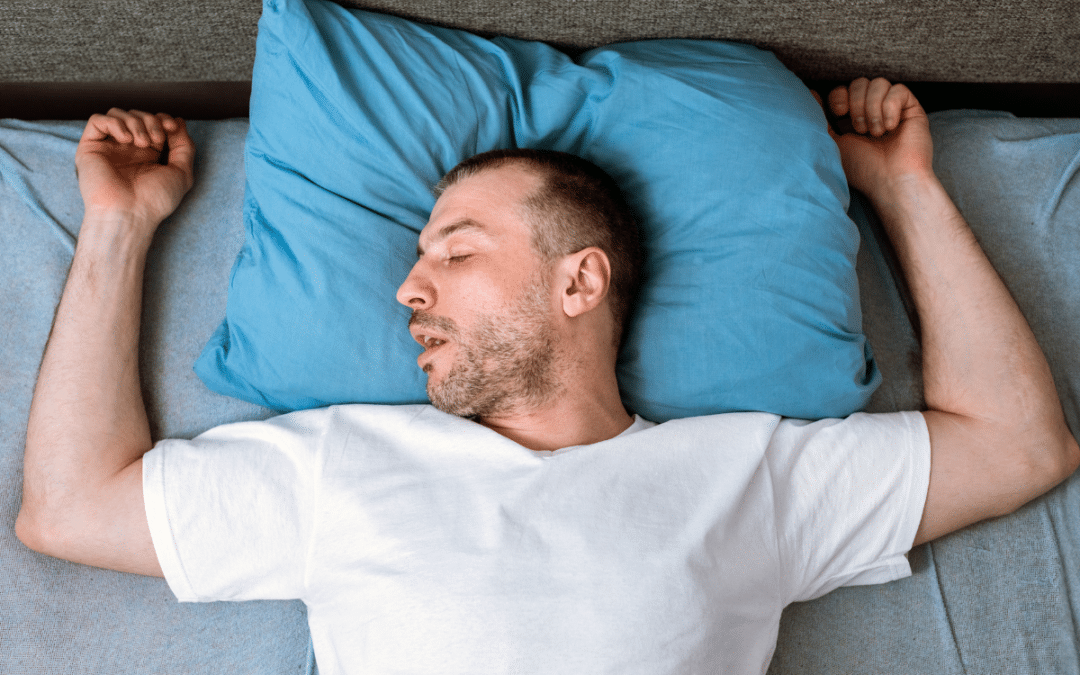
Do you wake up feeling exhausted even after a full night’s sleep? Has someone told you that you snore loudly or gasp for air while sleeping? These may be warning signs of sleep apnea—a common but often undiagnosed condition that can affect your overall health.
At Precision Dental Care and Sleep Solutions, we help patients recognize early symptoms and provide effective sleep apnea treatment imperial residents trust for better sleep and improved well-being.
What Is Sleep Apnea?
Sleep apnea is a condition where breathing repeatedly stops and starts during sleep. These interruptions can last several seconds and occur multiple times throughout the night, often without you realizing it.
There are three main types:
- Obstructive Sleep Apnea (OSA): Caused by a blocked airway
- Central Sleep Apnea (CSA): When the brain doesn’t signal breathing properly
- Complex Sleep Apnea: A combination of both
Proper diagnosis is essential to determine the right treatment approach.
Common Signs You Shouldn’t Ignore
Sleep apnea symptoms can vary, but some warning signs are more common than others.
Loud, Persistent Snoring
Frequent, loud snoring—especially when followed by choking or gasping—is a major red flag.
Waking Up Gasping for Air
Sudden awakenings with a feeling of breathlessness may indicate airway obstruction during sleep.
Daytime Fatigue
Feeling tired throughout the day, even after sleeping for several hours, is a key symptom.
Morning Headaches or Dry Mouth
Interrupted breathing can reduce oxygen levels, leading to headaches or dry mouth upon waking.
Difficulty Focusing or Mood Changes
Poor sleep can impact memory, concentration, and emotional stability.
Restless Sleep
Frequent waking or tossing and turning at night may be linked to disrupted breathing patterns.
Observed Breathing Pauses
If someone notices that you stop breathing during sleep, it’s important to seek evaluation immediately.
Patients in imperial experiencing these symptoms should not ignore them, as early diagnosis can prevent long-term health complications.
Who Is at Higher Risk?
Certain factors can increase your risk of developing sleep apnea:
- Excess weight or a larger neck size
- Family history of sleep disorders
- Smoking or alcohol use
- Nasal congestion or allergies
- Aging
Even individuals without these risk factors can develop sleep apnea, so awareness is key.
When Should You See a Doctor?
You should seek professional evaluation if:
- Your snoring disrupts your sleep or others’ sleep.
- You wake up gasping or choking.
- You feel constantly fatigued.
- You experience memory or concentration issues.
A sleep study—either at home or in a lab—can help diagnose the condition and determine its severity.
Treatment Options for Better Sleep
The good news is that sleep apnea is treatable. Common solutions include:
Lifestyle Changes
Maintaining a healthy weight, avoiding alcohol, and adjusting sleep positions can help reduce symptoms.
CPAP Therapy
A CPAP machine keeps your airway open by delivering continuous air pressure during sleep.
Oral Appliance Therapy
Custom dental devices reposition the jaw to improve airflow and reduce airway blockage.
Surgical Options
In some cases, surgery may be recommended to correct structural issues.
At Precision Dental Care and Sleep Solutions, we specialize in dental-based sleep apnea treatment imperial patients rely on for comfortable and effective results.
Take Control of Your Sleep Health
Sleep apnea can impact your daily energy, focus, and long-term health—but it doesn’t have to. Recognizing the signs early and seeking treatment can make a significant difference in your quality of life.
Patients in imperial who take action early often experience better sleep, improved health, and greater overall comfort.
If you suspect you may have sleep apnea, schedule a consultation with Precision Dental Care and Sleep Solutions today and take the first step toward restful nights and healthier days.
FAQs
Can sleep apnea go away on its own?
No, it usually requires treatment, although lifestyle changes may reduce symptoms.
Is snoring always a sign of sleep apnea?
Not always, but loud and frequent snoring should be evaluated.
How is sleep apnea diagnosed?
Through a sleep study that monitors breathing, oxygen levels, and sleep patterns.
Can weight loss help?
Yes, weight loss can reduce symptoms, especially in mild cases.
What happens if sleep apnea is untreated?
It can increase the risk of heart disease, high blood pressure, and fatigue.
Can children have sleep apnea?
Yes, though symptoms may differ and require proper evaluation.